





If you’ve invested in crypto, you may be asking yourself: Is DeFi taxable? The short answer is yes, in most cases. But the full answer depends on what you’re doing in decentralized finance (DeFi), where you live, and how you earn or move your crypto assets.
- What Is DeFi and Why Taxes Apply
- Is DeFi Taxable in the United States?
- Taxable vs Non-Taxable DeFi Events
- When Is DeFi Taxable? Key Triggers
- Capital Gains vs Income: What’s the Difference?
- Short-Term vs Long-Term Gains
- How DeFi Taxes Work in Other Countries
- Visual Breakdown: How DeFi Taxes Flow
- Common DeFi Tax Mistakes
- ❌ Ignoring Small Transactions
- ❌ Forgetting Gas Fees
- ❌ Not Tracking Cost Basis
- ❌ Assuming Anonymity Means No Taxes
- How to Track DeFi Transactions Properly
- How to Reduce DeFi Tax Burden Legally
- Real-Life Example: DeFi Tax Scenario
- Do You Owe Taxes If You Lost Money?
- Record-Keeping Checklist for DeFi Investors
- The Future of DeFi Taxation
- 1. Is DeFi taxable if I never convert to cash?
- 2. Is DeFi taxable for staking rewards only when sold?
- 3. Do I pay tax twice on DeFi rewards?
- 4. Is borrowing in DeFi taxable?
- 5. What happens if I don’t report DeFi taxes?
- 6. Can I offset DeFi losses?
- 7. Is DeFi taxable in every country?
DeFi opens the door to earning interest, staking tokens, farming rewards, swapping coins, and borrowing without a bank. While it feels different from traditional finance, tax authorities often treat these activities similarly to regular investments.
In this complete guide, you’ll learn:
- Whether DeFi is taxable
- How different DeFi activities are taxed
- What events trigger taxes
- How to report DeFi income
- Mistakes to avoid
- Tools to make reporting easier
Let’s break it down step by step.
What Is DeFi and Why Taxes Apply


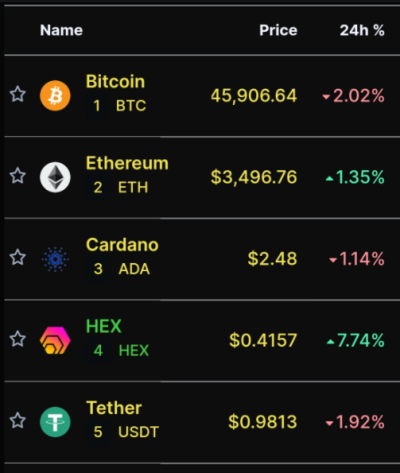
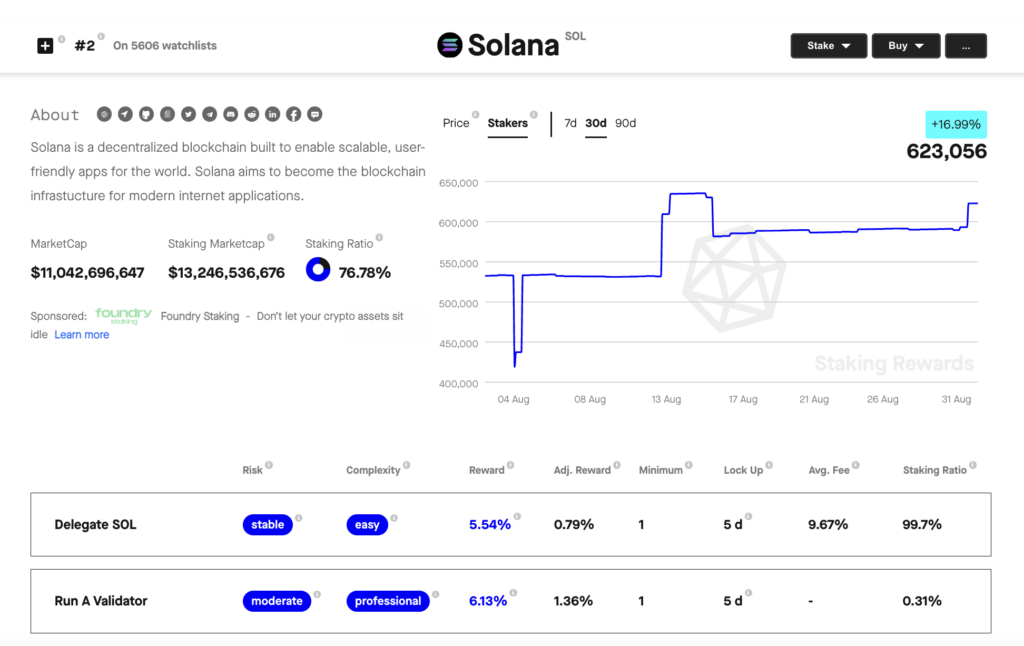
Alt text for images: Is DeFi taxable – examples of DeFi platforms including staking, yield farming, and crypto swaps.
DeFi stands for decentralized finance. It includes financial apps built on blockchain networks like Ethereum, Solana, and others.
Instead of using banks, users interact with smart contracts. These contracts allow:
- Lending and borrowing
- Earning yield
- Trading tokens
- Providing liquidity
- Staking coins
Now here’s the key point:
Even though DeFi is decentralized, tax laws still apply.
Tax authorities like the IRS in the United States treat cryptocurrency as property. That means many DeFi transactions trigger taxable events.
So when asking “Is DeFi taxable?”, the real question becomes: Which DeFi actions create tax obligations?
Is DeFi Taxable in the United States?
Yes. In the United States, DeFi is taxable.
The Internal Revenue Service (IRS) considers cryptocurrency property. This means crypto transactions often create:
- Capital gains or losses
- Ordinary income
If you:
- Swap tokens
- Earn staking rewards
- Get yield farming income
- Receive airdrops
- Earn governance tokens
You likely owe taxes.
You can review official guidance directly from the IRS website here:
https://www.irs.gov/businesses/small-businesses-self-employed/digital-assets
Additionally, you can find more crypto tax insights at https://www.cryptonews21.com.
Taxable vs Non-Taxable DeFi Events
Not every DeFi action triggers taxes. Let’s compare.
📊 DeFi Taxable Events Table
| DeFi Activity | Taxable? | Type of Tax |
|---|---|---|
| Swapping one token for another | Yes | Capital gains |
| Yield farming rewards | Yes | Income tax |
| Staking rewards | Yes | Income tax |
| Selling crypto for cash | Yes | Capital gains |
| Borrowing crypto | No (usually) | Not taxable |
| Transferring between your wallets | No | Not taxable |
| Providing liquidity | Usually yes | Capital gains + income |
As you can see, many actions are taxable.
Therefore, tracking activity is very important.
When Is DeFi Taxable? Key Triggers
Now let’s answer “When is DeFi taxable?” more clearly.
A taxable event happens when:
- You dispose of crypto
- You earn new crypto
- You convert crypto into something else
Let’s examine each one.
1. Token Swaps
If you swap ETH for USDC, the IRS treats it as:
- Selling ETH
- Buying USDC
That means you may owe capital gains tax.
Even if no cash touches your bank account, it’s still taxable.
2. Yield Farming Rewards




Alt text for images: Is DeFi taxable – yield farming income and liquidity pool rewards.
Yield farming rewards count as income.
You pay income tax based on the fair market value of the tokens when received.
Later, if you sell those tokens, you may also owe capital gains tax.
That means double taxation can occur:
- First as income
- Later as capital gains
3. Staking Rewards
Staking rewards are usually taxed as income.
If you earn 1 ETH worth $2,000 at the time received, you report $2,000 as income.
Later, if you sell that ETH at $2,500, you pay capital gains tax on the $500 profit.
This is one reason investors frequently ask, “Is DeFi taxable even if I don’t sell?”
Yes. Because earning rewards itself creates income.
4. Providing Liquidity
Liquidity pools are tricky.
When you deposit tokens into a pool, you often receive LP tokens in return.
Tax authorities may treat this as:
- Selling your original tokens
- Buying LP tokens
That can trigger capital gains.
Additionally, trading fees earned from the pool count as income.
5. Borrowing in DeFi
Borrowing crypto is usually NOT taxable.
You are not earning income or disposing of property.
However, liquidation events can trigger taxable events.
If your collateral gets sold automatically, that is treated like a sale.
Capital Gains vs Income: What’s the Difference?
Understanding this difference is essential when asking, Is DeFi taxable?
📈 Capital Gains
Capital gains happen when you sell crypto for more than you paid.
Example:
- Buy ETH at $1,000
- Sell at $1,500
- Gain = $500
You pay tax on $500.
💰 Ordinary Income
Income applies when you earn new tokens.
Example:
- Earn staking rewards worth $800
- Report $800 as income
Income tax rates are usually higher than long-term capital gains.
Short-Term vs Long-Term Gains
How long you hold your crypto matters.
| Holding Period | Tax Type | Rate |
|---|---|---|
| Less than 1 year | Short-term | Higher |
| More than 1 year | Long-term | Lower |
Smart investors plan holding periods carefully.
How DeFi Taxes Work in Other Countries
While this article focuses mainly on the U.S., many countries treat DeFi similarly.
- UK: Crypto is property
- Canada: Taxed as capital property
- Australia: Capital gains + income
However, rules vary.
Always check local regulations.
Visual Breakdown: How DeFi Taxes Flow
Earn Rewards → Income Tax
Swap Tokens → Capital Gains
Sell Crypto → Capital Gains
Provide Liquidity → Income + Gains
Borrow Crypto → Usually No Tax
This simple flow helps answer: Is DeFi taxable?
In most earning and selling cases, yes.
Common DeFi Tax Mistakes
Many investors make costly errors.
❌ Ignoring Small Transactions
Every swap counts.
❌ Forgetting Gas Fees
Gas fees can reduce your taxable gains.
❌ Not Tracking Cost Basis
Without cost basis, you may overpay.
❌ Assuming Anonymity Means No Taxes
Blockchain transactions are public.
Tax agencies increasingly use tracking tools.
How to Track DeFi Transactions Properly
Because DeFi can include hundreds of transactions, manual tracking is hard.
Recommended Steps:
- Use crypto tax software
- Connect your wallet
- Export transaction history
- Verify cost basis
- Generate tax reports
This makes answering “Is DeFi taxable?” much easier during tax season.
How to Reduce DeFi Tax Burden Legally
You cannot avoid taxes illegally. But you can plan wisely.
✔️ Hold Long-Term
Lower capital gains rates.
✔️ Harvest Losses
Sell losing assets to offset gains.
✔️ Track Fees
Deduct transaction costs where allowed.
✔️ Use Tax-Advantaged Accounts (if permitted)
Some regions allow crypto exposure in retirement accounts.
Real-Life Example: DeFi Tax Scenario
Let’s walk through a sample investor.
Sarah’s Activity:
- Buys ETH at $1,000
- Stakes and earns 0.5 ETH worth $1,200
- Later sells total ETH at $2,000
Tax Breakdown:
- Staking reward → $1,200 income
- Sale gain on original ETH → $1,000 capital gain
- Sale gain on reward ETH → $800 capital gain
Total taxable amounts:
- $1,200 income
- $1,800 capital gains
This clearly shows why the question Is DeFi taxable? matters so much.
Do You Owe Taxes If You Lost Money?
If you lost money, you may deduct capital losses.
Losses can offset gains.
If losses exceed gains, you may deduct up to $3,000 annually in the U.S., with the rest carried forward.
This helps reduce overall tax burden.
Record-Keeping Checklist for DeFi Investors
Keep track of:
- Wallet addresses
- Transaction hashes
- Dates of transactions
- Fair market value at time of transaction
- Gas fees
- Token prices
Accurate records protect you during audits.
The Future of DeFi Taxation
Governments are increasing crypto oversight.
Expect:
- Stricter reporting rules
- Exchange reporting requirements
- Better blockchain analytics
As regulations evolve, the answer to “Is DeFi taxable?” will likely remain yes, but reporting may become more automated.
Frequently Asked Questions (FAQs)
1. Is DeFi taxable if I never convert to cash?
Yes. Swapping tokens or earning rewards can trigger taxes even without converting to cash.
2. Is DeFi taxable for staking rewards only when sold?
No. Most tax authorities treat staking rewards as income when received.
3. Do I pay tax twice on DeFi rewards?
Potentially yes. First as income, then capital gains when sold.
4. Is borrowing in DeFi taxable?
Usually no. But liquidation events can trigger taxes.
5. What happens if I don’t report DeFi taxes?
Penalties may include fines, interest, or audits.
6. Can I offset DeFi losses?
Yes. Capital losses can offset gains.
7. Is DeFi taxable in every country?
Most countries tax crypto in some form, but rules vary.
Final Thoughts: Is DeFi Taxable?
So, is DeFi taxable? In most cases, yes.
If you:
- Earn rewards
- Swap tokens
- Provide liquidity
- Sell crypto
You likely owe taxes.
DeFi offers exciting opportunities. However, it also creates complex tax obligations.
The smart approach is simple:
Track everything.
Plan ahead.
Stay compliant.
With proper records and good planning, you can enjoy DeFi while avoiding tax trouble.
As crypto grows, tax enforcement will grow too.
Stay informed. Stay prepared.