




If you’ve ever bought or sold Bitcoin, you’ve probably wondered: Is crypto taxed as capital gains or income? The answer depends on how you use your cryptocurrency. In many cases, crypto is taxed as capital gains. However, in other situations, it is taxed as ordinary income.
- 📌 Quick Answer: Is Crypto Taxed as Capital Gains or Income?
- Why Governments Tax Cryptocurrency
- Selling Cryptocurrency for Profit
- Trading Crypto for Another Crypto
- Using Crypto to Buy Products
- Getting Paid in Crypto
- Mining Cryptocurrency
- Staking Rewards
- Airdrops and Hard Forks
- Hold for Over One Year
- Use Tax-Loss Harvesting
- Track Every Transaction
- Keep Good Records
- 1. Is crypto taxed as capital gains or income in the U.S.?
- 2. Do I pay tax if I don’t sell my crypto?
- 3. What happens if I lose money on crypto?
- 4. Are NFTs taxed the same way?
- 5. Do I need to report small crypto transactions?
- 6. What if I forget to report crypto?
Because crypto tax rules can feel confusing, this guide breaks everything down in simple terms. By the end, you’ll know exactly when crypto is taxed as capital gains, when it’s taxed as income, and how to reduce your tax bill legally.
📌 Quick Answer: Is Crypto Taxed as Capital Gains or Income?
Here’s the short version:
| Situation | Tax Type | What It Means |
|---|---|---|
| Selling crypto for profit | Capital Gains Tax | You pay tax on the profit |
| Trading one crypto for another | Capital Gains Tax | Profit is taxable |
| Using crypto to buy goods | Capital Gains Tax | Treated like selling |
| Mining crypto | Income Tax | Taxed as earnings |
| Staking rewards | Income Tax | Taxed when received |
| Getting paid in crypto | Income Tax | Treated like salary |
So, is crypto taxed as capital gains or income? It can be both. It depends on the activity.
Why Governments Tax Cryptocurrency
Governments treat cryptocurrency like property. That means it works similarly to stocks or real estate for tax purposes.
In the United States, the Internal Revenue Service (IRS) classifies crypto as property. Other countries follow similar rules.
Because of this classification:
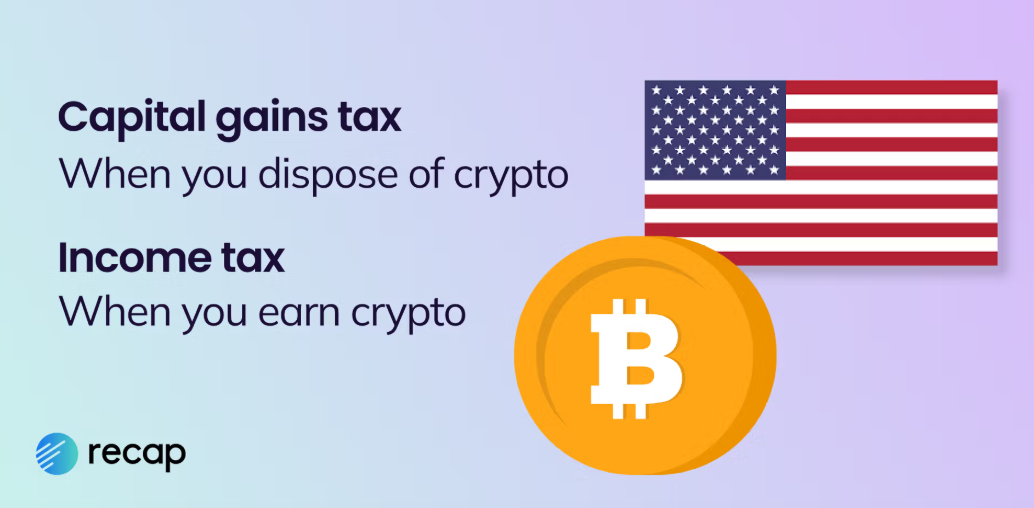
- Selling crypto = capital gains tax
- Earning crypto = income tax
If you want more updates about crypto regulations, visit https://www.cryptonews21.com for the latest insights.
For official IRS guidance, you can also check the IRS website directly: https://www.irs.gov
When Is Crypto Taxed as Capital Gains?
Let’s break this down clearly.
Selling Cryptocurrency for Profit
If you buy Bitcoin at $10,000 and sell it at $15,000, you made a $5,000 profit. That profit is called a capital gain.
That means crypto is taxed as capital gains in this case.
Short-Term vs Long-Term Capital Gains
The amount of tax depends on how long you hold your crypto.
| Holding Period | Tax Type | Tax Rate |
|---|---|---|
| Less than 1 year | Short-term capital gains | Same as income tax rate |
| More than 1 year | Long-term capital gains | Lower tax rate |
Holding longer usually means paying less tax.
Trading Crypto for Another Crypto
Many people think swapping one coin for another is not taxable. That’s not true.
For example:
- You buy Ethereum at $1,000
- Later, you trade it when it’s worth $1,500
You made a $500 gain. That gain is taxable.
Even though you never cashed out to dollars, the IRS treats it as a sale.
So again, is crypto taxed as capital gains or income here? It’s capital gains.
Using Crypto to Buy Products
Did you use Bitcoin to buy a laptop?
That’s considered selling your Bitcoin.
If the value increased since you bought it, you owe capital gains tax on the profit.
Even small purchases can trigger taxable events.
When Is Crypto Taxed as Income?
Now let’s look at situations where crypto is taxed as income.
Getting Paid in Crypto
If your employer pays you in Bitcoin instead of cash, that counts as income.
You must report the value in dollars at the time you receive it.
That amount gets taxed just like a normal paycheck.
Mining Cryptocurrency



Mining crypto means using powerful computers to verify transactions.
When you receive mining rewards, the government treats that as income.
You pay income tax on the fair market value when you receive the coins.
Later, if you sell those coins, you may also pay capital gains tax on any increase in value.
So in this case, crypto is taxed as income first — and possibly capital gains later.
Staking Rewards
Staking works similarly to earning interest.
If you stake coins and receive rewards:
- The rewards are taxed as income when received.
- Selling them later may create capital gains.
Airdrops and Hard Forks
Sometimes projects give away free tokens.
These are usually taxed as income based on their value when you gain control of them.
Later sales may create capital gains.
Simple Flow Chart: Capital Gains or Income?
Here’s an easy visual guide:
Did you receive crypto?
       |
       |-- Yes → Was it payment, mining, staking, or rewards?
       |          |
       |          |-- Yes → Income Tax
       |
Did you sell, trade, or spend crypto?
       |
       |-- Yes → Capital Gains Tax
This makes answering “Is crypto taxed as capital gains or income?” much easier.
Real-Life Example: How Taxes Work Step-by-Step
Let’s follow Sarah’s crypto year:
- She buys Bitcoin for $5,000.
- She receives $1,000 worth of staking rewards.
- She sells Bitcoin later for $8,000.
What Happens?
| Event | Tax Type | Amount Taxed |
|---|---|---|
| Staking rewards | Income Tax | $1,000 |
| Selling Bitcoin | Capital Gains | $3,000 profit |
Sarah pays both income tax and capital gains tax.
Capital Gains Tax Rates vs Income Tax Rates
Here’s a simplified comparison:
| Tax Type | Based On | Typical Rate Range |
|---|---|---|
| Income Tax | Earnings | 10% – 37% |
| Short-Term Capital Gains | Held < 1 year | Same as income |
| Long-Term Capital Gains | Held > 1 year | 0% – 20% |
Long-term holding can save you money.
How to Reduce Crypto Taxes Legally
If you’re asking “Is crypto taxed as capital gains or income?” you probably also want to know how to lower your bill.
Here are smart strategies:
Hold for Over One Year
Long-term capital gains rates are usually lower.
Use Tax-Loss Harvesting
Sell losing investments to offset gains.
Example:
- $5,000 profit
- $2,000 loss
- You pay tax on $3,000 net gain
Track Every Transaction
Use crypto tax software to avoid mistakes.
Keep Good Records
Record:
- Date bought
- Purchase price
- Date sold
- Sale price
Without records, you could overpay taxes.
Do Different Countries Tax Crypto Differently?
Yes. Tax rules vary by country.
For example:
- The United States treats crypto as property.
- Some countries treat it as financial assets.
- A few countries offer tax-free crypto gains under certain conditions.
Always check your local laws.
Common Mistakes People Make
- Thinking crypto-to-crypto trades aren’t taxable
- Forgetting small purchases count as taxable events
- Not reporting staking rewards
- Ignoring exchange reports
These mistakes can lead to penalties.
Frequently Asked Questions (FAQs)
1. Is crypto taxed as capital gains or income in the U.S.?
It can be both. Selling crypto usually creates capital gains. Earning crypto creates income tax.
2. Do I pay tax if I don’t sell my crypto?
No. Simply holding crypto does not create a taxable event.
3. What happens if I lose money on crypto?
You can use losses to offset gains. This reduces your tax bill.
4. Are NFTs taxed the same way?
In many cases, yes. Selling NFTs may trigger capital gains tax.
5. Do I need to report small crypto transactions?
Yes. Even small transactions are technically taxable.
6. What if I forget to report crypto?
You may face penalties or audits. It’s best to file correctly.
Final Thoughts: Is Crypto Taxed as Capital Gains or Income?
So, is crypto taxed as capital gains or income?
The answer depends on what you’re doing with it.
- Selling, trading, or spending crypto usually triggers capital gains tax.
- Mining, staking, and getting paid in crypto usually triggers income tax.
Many investors experience both types in the same year.
Crypto taxes don’t have to be scary. Once you know the rules, you can plan smarter. Hold assets longer. Track transactions carefully. Use losses wisely.
Most importantly, stay informed. Tax laws can change. Always double-check official sources or consult a tax professional if needed.
Now that you understand how crypto is taxed as capital gains or income, you can invest with more confidence — and fewer surprises when tax season arrives.