




The Difference Between Short-Term and Long-Term Crypto Gains is one of the most important topics every crypto investor should understand. Whether you are trading daily or holding Bitcoin for years, the way your profits are classified can impact your taxes, risk level, and overall strategy. Many beginners jump into crypto without knowing how short-term and long-term gains work. As a result, they end up paying more taxes or making emotional decisions.
- What Are Crypto Gains?
- Short-Term Crypto Gains Explained
- Long-Term Crypto Gains Explained
- Difference Between Short-Term and Long-Term Crypto Gains (Quick Comparison Table)
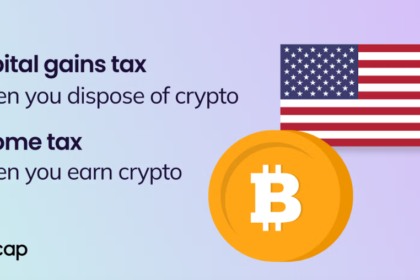
- Tax Differences: Why Holding Period Matters
- Risk Level: Short-Term vs Long-Term Crypto Profits
- Investment Strategy Differences
- Emotional Impact: Stress vs Patience
- Which Strategy Is Better for Beginners?
- Real-World Scenario: Two Investors Compared
- Market Cycles and Holding Period
- Pros and Cons Breakdown
- How to Decide Between Short-Term and Long-Term Gains
- Smart Tips to Maximize Crypto Gains
- Frequently Asked Questions (FAQs)
- 1. What is the main difference between short-term and long-term crypto gains?
- 2. Are long-term crypto gains always better?
- 3. Do I pay taxes if I don’t sell my crypto?
- 4. Can I reduce taxes on short-term crypto gains?
- 5. Is day trading crypto risky?
- 6. Does holding crypto long-term guarantee profit?
- Final Thoughts: Choosing the Right Crypto Strategy
In this detailed guide, you will learn exactly what short-term and long-term crypto gains mean, how they differ, how taxes apply, and which strategy may suit you best. We will also explore real examples, charts, and expert tips to help you make better decisions.
What Are Crypto Gains?
Crypto gains happen when you sell cryptocurrency for more than you paid for it. The profit you make is called a capital gain.
For example:
- You buy Bitcoin at $20,000
- You sell Bitcoin at $25,000
- Your gain = $5,000
That $5,000 is taxable in most countries.
However, how long you hold your crypto before selling it determines whether your profit is a short-term crypto gain or a long-term crypto gain.
Short-Term Crypto Gains Explained

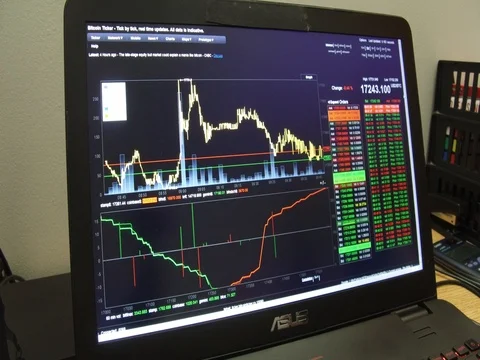
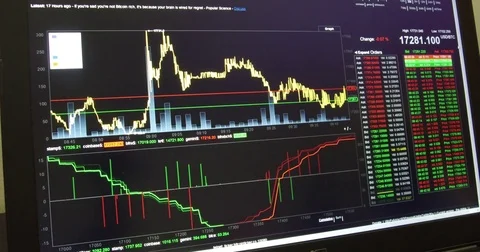
Short-term crypto gains refer to profits made from selling cryptocurrency that you held for one year or less (in most countries like the United States).
Key Features of Short-Term Crypto Gains
- Holding period: Less than 12 months
- Tax rate: Usually higher
- Strategy: Active trading
- Risk level: Higher due to market volatility
- Time involvement: High
If you frequently buy and sell coins within months or weeks, your profits are considered short-term.
Why Traders Choose Short-Term Gains
Many investors prefer short-term trading because:
- Crypto prices move quickly
- Daily volatility creates many profit opportunities
- Quick profits feel rewarding
However, higher rewards often come with higher risks.
Long-Term Crypto Gains Explained
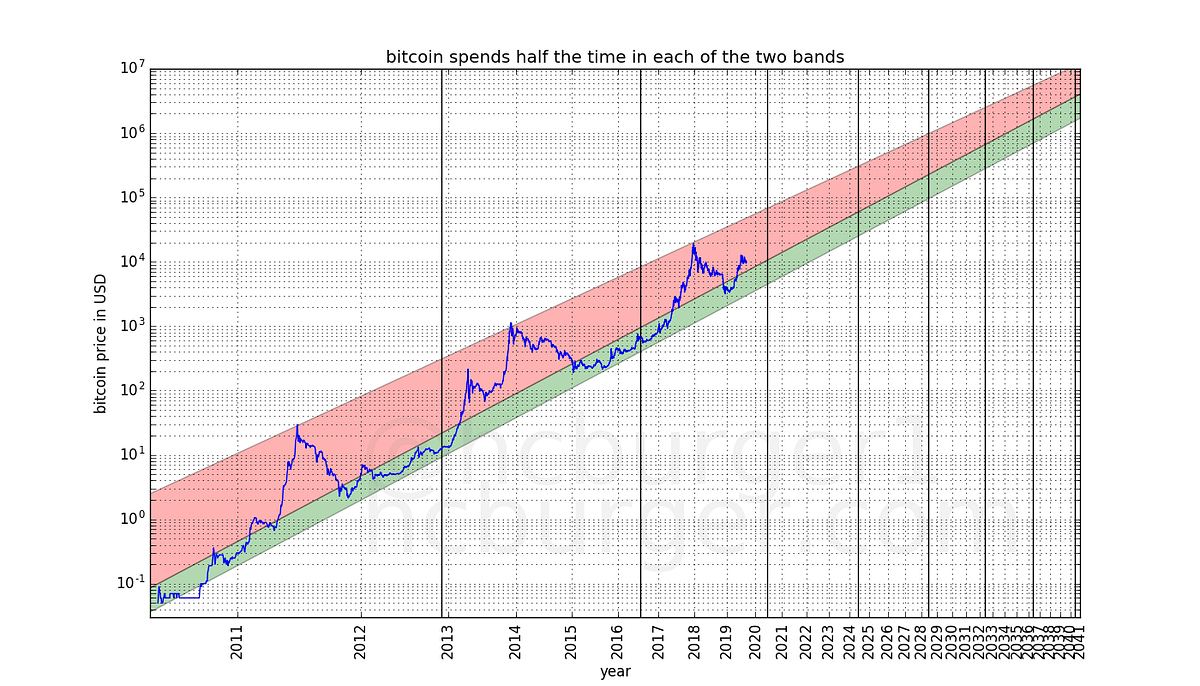



Long-term crypto gains come from selling cryptocurrency that you held for more than one year.
Long-term investors believe in the future growth of blockchain technology and major cryptocurrencies like Bitcoin and Ethereum.
Key Features of Long-Term Crypto Gains
- Holding period: More than 12 months
- Tax rate: Often lower
- Strategy: Buy and hold
- Risk level: Lower emotional stress
- Time involvement: Low
Long-term investing is also known as “HODLing” in the crypto community.
Difference Between Short-Term and Long-Term Crypto Gains (Quick Comparison Table)
| Feature | Short-Term Crypto Gains | Long-Term Crypto Gains |
|---|---|---|
| Holding Period | Less than 1 year | More than 1 year |
| Tax Rate | Higher (ordinary income rate in many countries) | Lower (capital gains rate) |
| Risk Level | High | Moderate |
| Trading Frequency | Frequent | Rare |
| Emotional Stress | High | Lower |
| Strategy Type | Active trading | Passive investing |
This table clearly shows the Difference Between Short-Term and Long-Term Crypto Gains in simple terms.
Tax Differences: Why Holding Period Matters
One of the biggest differences between short-term and long-term crypto gains is taxation.
In countries like the United States:
- Short-term gains are taxed like regular income.
- Long-term gains are taxed at reduced rates.
For official guidance, you can check the IRS website:
👉 https://www.irs.gov/taxtopics/tc409
Example of Tax Impact
Let’s assume:
- Your annual income tax rate: 30%
- Long-term capital gains tax rate: 15%
- Crypto profit: $10,000
Short-Term Gain Tax:
- 30% of $10,000 = $3,000 tax
Long-Term Gain Tax:
- 15% of $10,000 = $1,500 tax
You save $1,500 just by holding for more than one year.
This is a major reason why many investors prefer long-term strategies.
For more crypto tax insights and updates, visit https://www.cryptonews21.com.
Risk Level: Short-Term vs Long-Term Crypto Profits
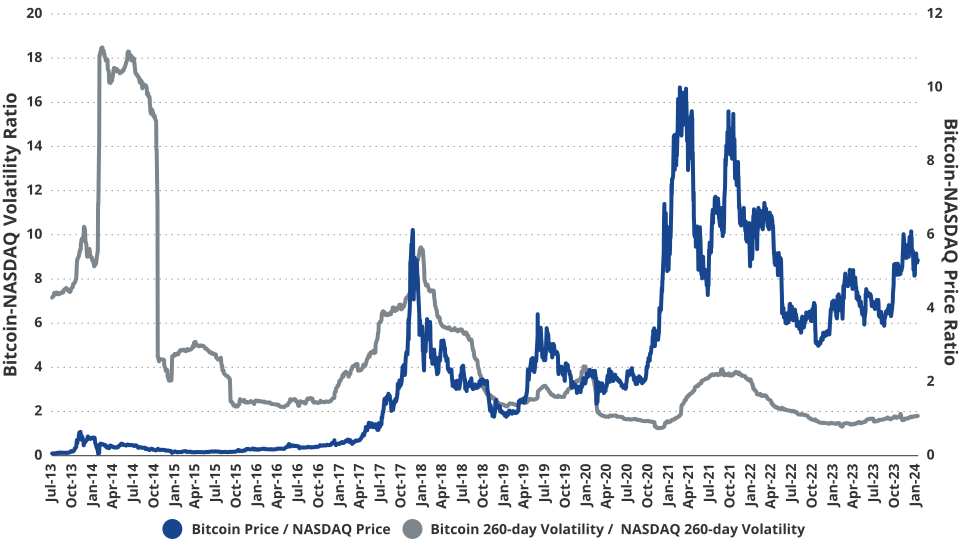
Short-term trading exposes you to daily price swings.
Crypto markets can move 10%–20% in a single day. That means quick profits are possible. However, sudden losses are also common.
On the other hand, long-term investors focus on:
- Overall market growth
- Adoption trends
- Technological development
Volatility Comparison Chart
| Time Frame | Average Price Swings | Risk Level |
|---|---|---|
| Daily | High (5–20%) | Very High |
| Weekly | Moderate | High |
| Yearly | Growth-based | Lower |
This explains another important part of the Difference Between Short-Term and Long-Term Crypto Gains — time reduces emotional pressure.
Investment Strategy Differences
Short-Term Strategy
Short-term traders often:
- Use technical analysis
- Follow news closely
- Set stop-loss orders
- Trade multiple times per week
They focus on chart patterns and market momentum.
Long-Term Strategy
Long-term investors:
- Research strong projects
- Ignore short-term noise
- Invest regularly
- Hold during market dips
They believe crypto will grow over time.
Emotional Impact: Stress vs Patience
The emotional side of crypto investing is often ignored.
Short-term trading can lead to:
- Anxiety
- Impulsive decisions
- Fear of missing out (FOMO)
Long-term investing builds:
- Patience
- Discipline
- Confidence
Understanding this emotional aspect helps clarify the real Difference Between Short-Term and Long-Term Crypto Gains beyond just taxes.
Which Strategy Is Better for Beginners?
Beginners often struggle with fast decision-making.
Because of that, long-term investing is usually safer for new investors.
Why?
- It requires less screen time
- It reduces emotional trading
- It lowers tax burden in many countries
However, if someone has experience and strong risk management skills, short-term trading can be profitable.
There is no one-size-fits-all answer.
Real-World Scenario: Two Investors Compared
Let’s compare two investors:
Investor A (Short-Term Trader)
- Trades weekly
- Makes $20,000 yearly profit
- Pays 30% tax = $6,000
Investor B (Long-Term Holder)
- Holds for 2 years
- Makes $20,000 profit
- Pays 15% tax = $3,000
Investor B keeps $3,000 more simply by waiting.
This example highlights the financial side of the Difference Between Short-Term and Long-Term Crypto Gains.
Market Cycles and Holding Period
Crypto markets move in cycles:
- Bull markets (prices rise)
- Bear markets (prices fall)
Short-term traders try to profit during both cycles.
Long-term holders usually buy during bear markets and hold until the next bull run.
Historically, long-term holding of Bitcoin has rewarded patient investors.
Pros and Cons Breakdown
Short-Term Crypto Gains
Pros:
- Quick profits
- Many opportunities
- Active income potential
Cons:
- Higher taxes
- Higher stress
- More time-consuming
- Higher transaction fees
Long-Term Crypto Gains
Pros:
- Lower tax rates
- Less stress
- Compounding growth
- Fewer trading fees
Cons:
- Requires patience
- Market downturns can last months
- Slower returns
How to Decide Between Short-Term and Long-Term Gains
Ask yourself:
- Do I have time to monitor markets daily?
- Can I handle sudden losses emotionally?
- Do I understand technical analysis?
- Am I investing for quick cash or future growth?
Your answers will guide your strategy.
Many experienced investors combine both strategies:
- 80% long-term holdings
- 20% short-term trades
This balanced approach reduces risk while keeping profit potential alive.
Smart Tips to Maximize Crypto Gains
- Track your purchase dates carefully
- Use tax tracking software
- Avoid panic selling
- Diversify your portfolio
- Think long-term before making quick trades
Always remember: patience often beats panic.
Frequently Asked Questions (FAQs)
1. What is the main difference between short-term and long-term crypto gains?
The main difference between short-term and long-term crypto gains is the holding period. Short-term gains apply to assets held for less than one year. Long-term gains apply to assets held for more than one year. Taxes are usually lower for long-term gains.
2. Are long-term crypto gains always better?
Not always. Long-term gains usually have lower taxes and less stress. However, skilled traders can earn high profits from short-term trading.
3. Do I pay taxes if I don’t sell my crypto?
In most countries, you only pay taxes when you sell or trade crypto. Simply holding it does not trigger tax.
4. Can I reduce taxes on short-term crypto gains?
In some cases, you can offset gains with losses. This is called tax-loss harvesting. Always consult a tax professional.
5. Is day trading crypto risky?
Yes. Day trading involves high volatility and requires strong market knowledge.
6. Does holding crypto long-term guarantee profit?
No investment guarantees profit. However, historically, long-term holding has reduced risk compared to short-term speculation.
Final Thoughts: Choosing the Right Crypto Strategy
The Difference Between Short-Term and Long-Term Crypto Gains goes far beyond just timing. It affects your taxes, stress levels, strategy, and financial future.
Short-term gains offer speed and excitement. But they come with higher taxes and higher emotional pressure.
Long-term gains reward patience. They often bring lower taxes and more stable growth over time.
Ultimately, your financial goals should guide your decision.
If you want steady growth with lower stress, long-term investing may be the right path.
If you enjoy analyzing charts and can handle risk, short-term trading might suit you.
No matter what you choose, always invest wisely, manage your risk, and stay informed.
The crypto market moves fast. But smart decisions move faster.