



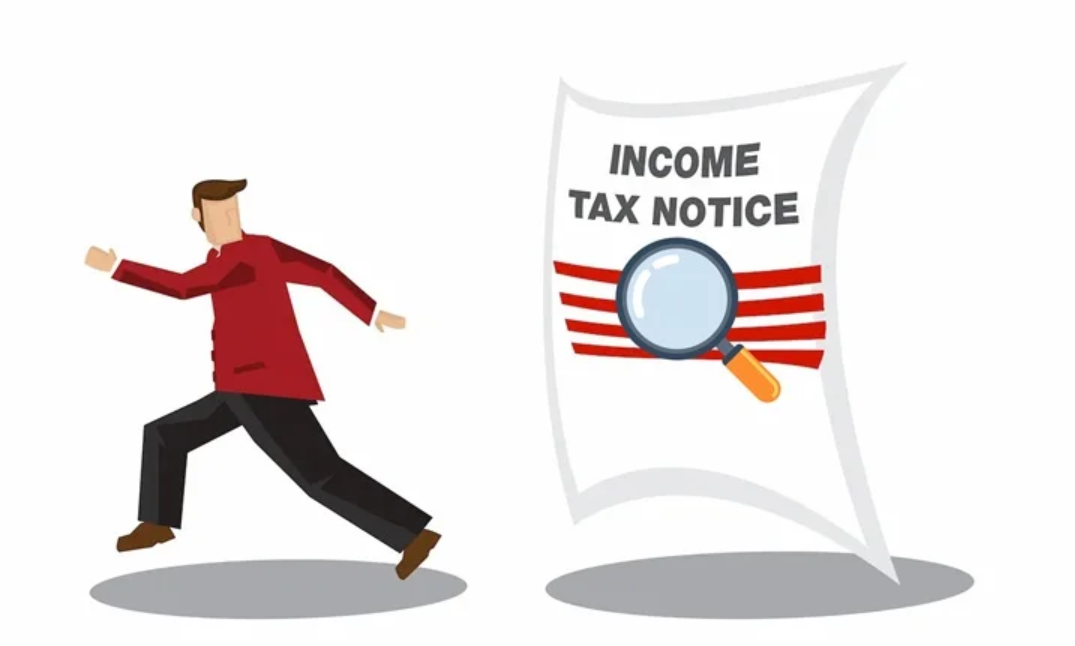
If you receive a crypto tax notice, don’t panic. Many crypto investors and traders get one at some point. A crypto tax notice simply means the tax authority believes something in your crypto tax return needs attention. It does not always mean you did something wrong.
- 📌 What Is a Crypto Tax Notice?
- 🚨 Why You Should Never Ignore a Crypto Tax Notice
- Step 1: Stay Calm and Read the Crypto Tax Notice Carefully
- Step 2: Confirm the Notice Is Real
- Step 3: Identify the Type of Crypto Tax Notice
- Step 4: Compare Their Numbers With Your Records
- 📊 Sample Crypto Gain Calculation Table
- Step 5: Check for Common Crypto Reporting Mistakes
- 1️⃣ Missing 1099 Forms
- 2️⃣ Wrong Cost Basis
- 3️⃣ Ignoring Small Trades
- 4️⃣ Forgetting Staking Rewards
- 5️⃣ NFT Sales Not Reported
- Step 6: Decide Whether You Agree or Disagree
- ✍️ Writing a Clear Response
- 📂 Documents You May Need
- When Professional Help Is Critical
- 📘 Keep Detailed Records
- 📅 File Taxes Accurately and On Time
- 🔎 Reconcile Exchange Reports
- 1. What is a crypto tax notice?
- 2. Does a crypto tax notice mean I am being audited?
- 3. How long do I have to respond?
- 4. Can I ignore a crypto tax notice?
- 5. Should I hire a tax professional?
- 6. What if the tax authority is wrong?
- 7. How can I avoid another crypto tax notice?
Still, you must act quickly and carefully.
In this complete guide, you will learn exactly what to do if you receive a crypto tax notice, how to respond properly, what mistakes to avoid, and how to protect yourself from penalties. This article uses simple language so anyone can understand it.
📌 What Is a Crypto Tax Notice?
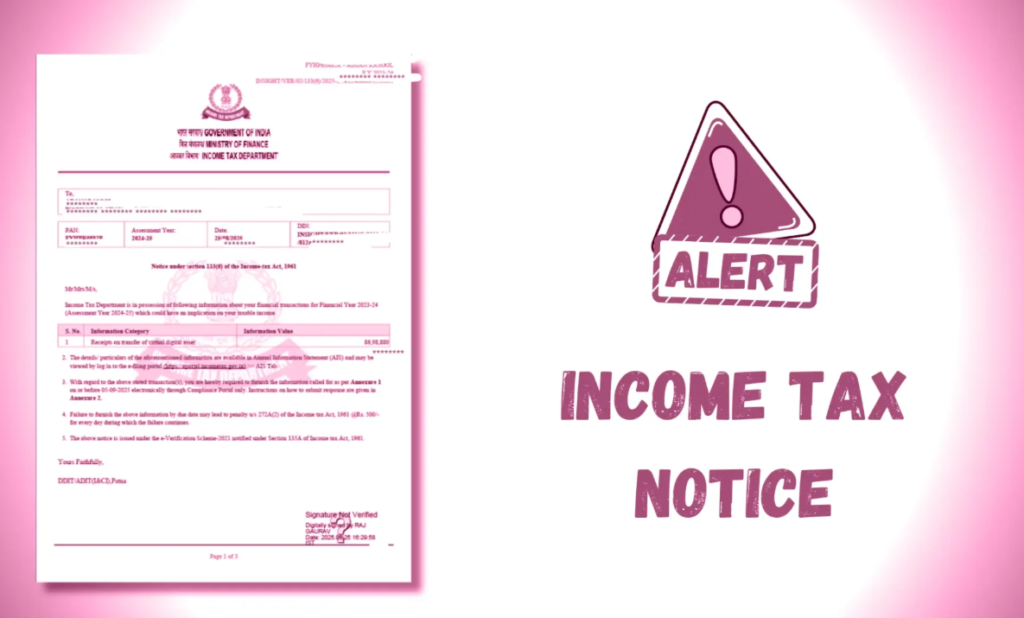
A crypto tax notice is a letter or message from your tax authority (like the Internal Revenue Service in the United States) about your cryptocurrency activity.
You may receive one if:
- You didn’t report crypto transactions
- You reported incorrect amounts
- The tax authority received different data from exchanges
- There are missing documents
- They need clarification
Crypto exchanges such as Coinbase or Binance often report transaction data to tax agencies. If their records do not match your tax return, you might receive a notice.
🚨 Why You Should Never Ignore a Crypto Tax Notice
Ignoring a crypto tax notice can cause:
- Extra penalties
- Interest charges
- Audits
- Legal trouble
Instead of worrying, take smart action. Most notices are fixable.
Step-by-Step Guide: What to Do If You Receive a Crypto Tax Notice
Let’s break this down into clear steps.
Step 1: Stay Calm and Read the Crypto Tax Notice Carefully
First, breathe.
Then carefully read every page of the crypto tax notice. Look for:
- The tax year involved
- The issue described
- The amount owed (if any)
- The response deadline
- Instructions on how to reply
Deadlines matter. Missing one can make things worse.
Step 2: Confirm the Notice Is Real
Unfortunately, crypto scams are common. Some scammers pretend to be tax agencies.
Check:
- Is it mailed to your correct address?
- Does it include your real tax ID (partially shown)?
- Does it provide official contact information?
- Does it match official website details?
If you are in the U.S., verify directly through the official IRS website:
Never click suspicious email links.
Step 3: Identify the Type of Crypto Tax Notice
Not all crypto tax notices are the same.
Here’s a quick comparison:
| Type of Notice | What It Means | What You Should Do |
|---|---|---|
| CP2000 (U.S.) | Income mismatch | Review reported crypto income |
| Audit Letter | Full review | Prepare all records |
| Balance Due Notice | You owe taxes | Verify and arrange payment |
| Information Request | Missing documents | Provide requested proof |
Each type requires a slightly different response.
Step 4: Compare Their Numbers With Your Records
Now review your own crypto records:
- Exchange transaction history
- Wallet transfers
- Purchase and sale dates
- Cost basis
- Capital gains or losses
Many people forget that crypto-to-crypto trades are taxable.
For example:
- Selling Bitcoin for cash → taxable
- Trading Ethereum for Solana → taxable
- Using crypto to buy goods → taxable
If you need updated crypto news and insights, you can check helpful guides at https://www.cryptonews21.com.
📊 Sample Crypto Gain Calculation Table
| Transaction | Buy Price | Sell Price | Gain/Loss |
|---|---|---|---|
| 1 BTC | $20,000 | $25,000 | +$5,000 |
| 2 ETH | $3,000 | $2,500 | -$500 |
If your tax return did not report this correctly, that may have triggered your crypto tax notice.
Step 5: Check for Common Crypto Reporting Mistakes
Here are the most common reasons people receive a crypto tax notice:
1️⃣ Missing 1099 Forms
Some exchanges send 1099 forms directly to tax agencies.
2️⃣ Wrong Cost Basis
If you don’t track your original purchase price, gains may look bigger.
3️⃣ Ignoring Small Trades
Even small trades count.
4️⃣ Forgetting Staking Rewards
Staking rewards are taxable income.
5️⃣ NFT Sales Not Reported
NFT profits are taxable in many countries.
Step 6: Decide Whether You Agree or Disagree
After reviewing everything, decide:
✔ If You Agree
- Sign the response form
- Pay the amount due
- Set up a payment plan if needed
❌ If You Disagree
- Write a clear explanation
- Include supporting documents
- Mail before the deadline
Always keep copies.
How to Respond to a Crypto Tax Notice Properly
Responding correctly reduces penalties.
✍️ Writing a Clear Response
Your response should include:
- Your full name
- Tax ID number
- Notice number
- Tax year
- Explanation
- Copies of supporting records
Be polite and clear.
Do not write emotional messages.
📂 Documents You May Need
- Exchange statements
- Wallet history
- Screenshots of trades
- Bank statements
- Tax software reports
The more organized you are, the better.
Should You Hire a Crypto Tax Professional?
Sometimes, yes.
If your crypto activity includes:
- DeFi transactions
- Yield farming
- NFT trading
- Margin trading
- Large gains
Then consider a tax expert.
Look for a CPA experienced with cryptocurrency.
When Professional Help Is Critical
You should definitely hire help if:
- You received an audit letter
- The amount owed is large
- You feel confused
- You had thousands of transactions
Crypto tax rules can be complex.
What Happens If You Ignore a Crypto Tax Notice?
Here is what may happen:
📌 Penalties increase
📌 Interest grows daily
📌 Tax liens
📌 Wage garnishment
📌 Full audit
Tax authorities take crypto seriously.
In fact, the Internal Revenue Service has increased crypto enforcement in recent years.
How to Prevent Future Crypto Tax Notices
Prevention is always better.
📘 Keep Detailed Records
Track:
- Date of purchase
- Amount paid
- Fees
- Date sold
- Sale price
Use crypto tax software if needed.
📅 File Taxes Accurately and On Time
Late filing increases risk.
Always double-check your numbers before submitting.
🔎 Reconcile Exchange Reports
Compare exchange 1099 forms with your records.
Fix mismatches before filing.
Crypto Tax Notice Timeline Example
Here is a typical timeline:
Day 1: Notice received
Day 3: Review records
Day 7: Gather documents
Day 14: Respond
Day 30+: Await reply
Acting quickly reduces stress.
Visual Flow: What to Do After Receiving a Crypto Tax Notice
Receive Notice
      ↓
Verify Authenticity
      ↓
Review Issue
      ↓
Compare Records
      ↓
Agree or Disagree
      ↓
Respond Before Deadline
Special Situations That Trigger a Crypto Tax Notice
Some activities trigger more scrutiny.
⚠ Large Gains
Sudden big profits attract attention.
⚠ No Reported Crypto But Exchange Reports Show Activity
Mismatch creates automatic notices.
⚠ International Exchanges
Offshore activity may raise questions.
What If You Can’t Pay the Amount Owed?
If you agree but can’t pay:
You can request a payment plan.
Tax authorities often allow:
- Monthly payment plans
- Short-term extensions
- Installment agreements
Do not ignore it just because you cannot pay.
Crypto Tax Notice and Audits: Are They the Same?
No.
A crypto tax notice is usually automated.
An audit is deeper and more detailed.
If you receive an audit letter, take it seriously and consider professional help immediately.
Emotional Side: Staying Calm During a Crypto Tax Notice
It’s normal to feel scared.
However:
- Most cases resolve easily
- Many notices involve simple corrections
- You have rights as a taxpayer
Stay organized.
Stay proactive.
Frequently Asked Questions (FAQs)
1. What is a crypto tax notice?
A crypto tax notice is a letter from a tax authority about your cryptocurrency transactions or reporting.
2. Does a crypto tax notice mean I am being audited?
Not always. Many notices are automatic corrections.
3. How long do I have to respond?
It depends on the notice. Most give 30 days.
Always check your specific letter.
4. Can I ignore a crypto tax notice?
No. Ignoring it can cause penalties and legal problems.
5. Should I hire a tax professional?
If the case is complex or involves large amounts, yes.
6. What if the tax authority is wrong?
You can dispute it by providing documents and explanations.
7. How can I avoid another crypto tax notice?
Keep accurate records. Report all crypto activity. Double-check before filing.
Final Thoughts: Take Control of Your Crypto Tax Notice
Receiving a crypto tax notice can feel overwhelming. However, you now know exactly what to do if you receive a crypto tax notice.
Let’s recap:
- Stay calm
- Read carefully
- Verify authenticity
- Compare records
- Respond before the deadline
- Seek help if needed
A crypto tax notice is not the end of the world. In many cases, it’s simply a request for clarification.
The key is action.
When you stay organized and proactive, you protect your money and your peace of mind.
If you continue investing or trading crypto, make tax tracking part of your routine. That simple habit can prevent future crypto tax notices and keep your financial life stress-free.
Stay informed. Stay compliant. Stay confident.