




Crypto tax laws by country are changing fast. If you buy, sell, trade, or hold cryptocurrency, you need to know how different governments tax digital assets. Some countries treat crypto like property. Others see it as income. A few places don’t tax it at all.
- 🌍 Global Snapshot: Crypto Tax Rules Around the World
- 📊 Quick Comparison Table: Crypto Tax Laws by Country
- 🧾 When Do You Pay Tax?
- 💰 Capital Gains Tax Rates
- 📌 Key Points
- ⏳ 1-Year Holding Rule
- Current System
- 🚀 What Makes UAE Special?
- 💴 Tax Structure
- Important Points
- 🔴 Higher Crypto Tax Countries
- 🟢 Lower Crypto Tax Countries
- 1. Which country has no crypto tax?
- 2. Is crypto taxed the same everywhere?
- 3. Do I pay tax if I only hold crypto?
- 4. Is moving abroad enough to avoid crypto tax?
- 5. Are crypto-to-crypto trades taxable?
- 6. Which country is most crypto-friendly?
Because rules vary so much, this global comparison guide will help you understand where crypto is taxed heavily, where it is friendly, and where it sits in between. Whether you are an investor, trader, miner, or business owner, knowing the crypto tax laws by country can save you money and stress.
Let’s break it down in a clear, simple way.
🌍 Global Snapshot: Crypto Tax Rules Around the World
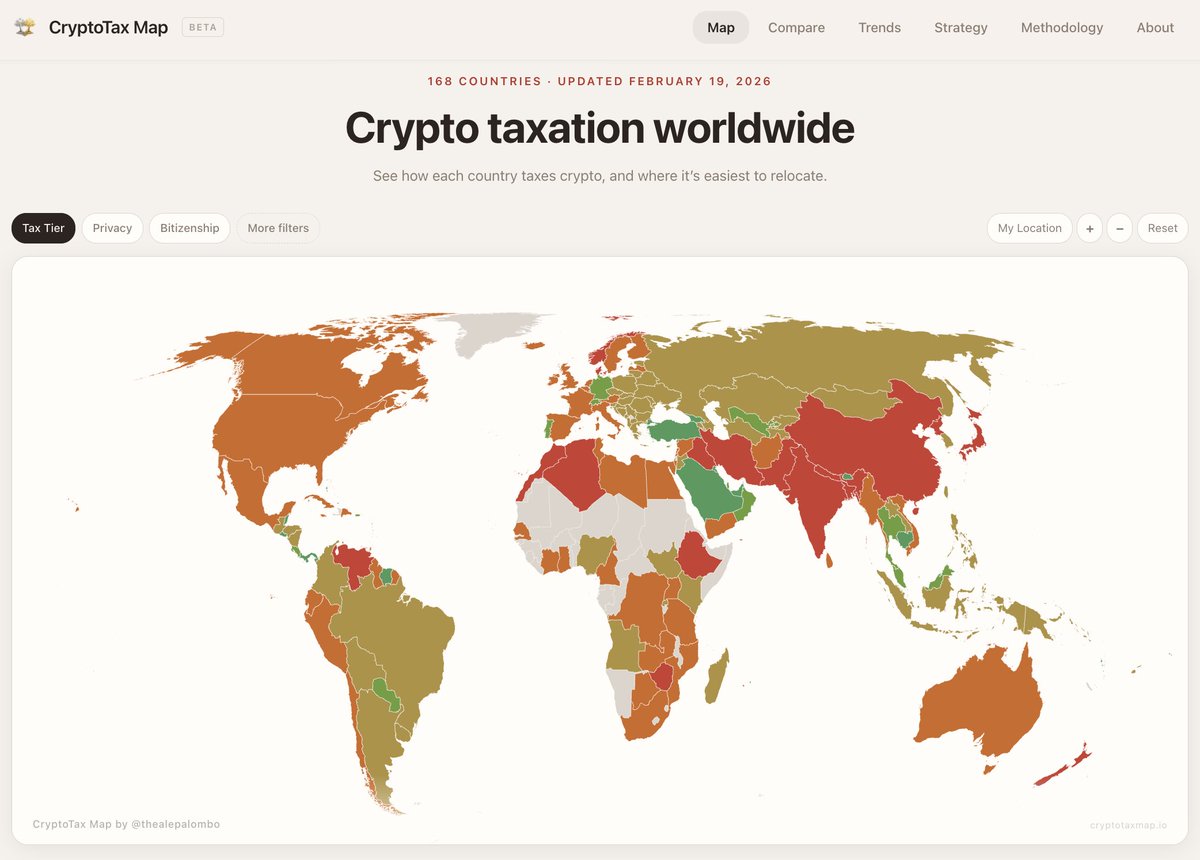
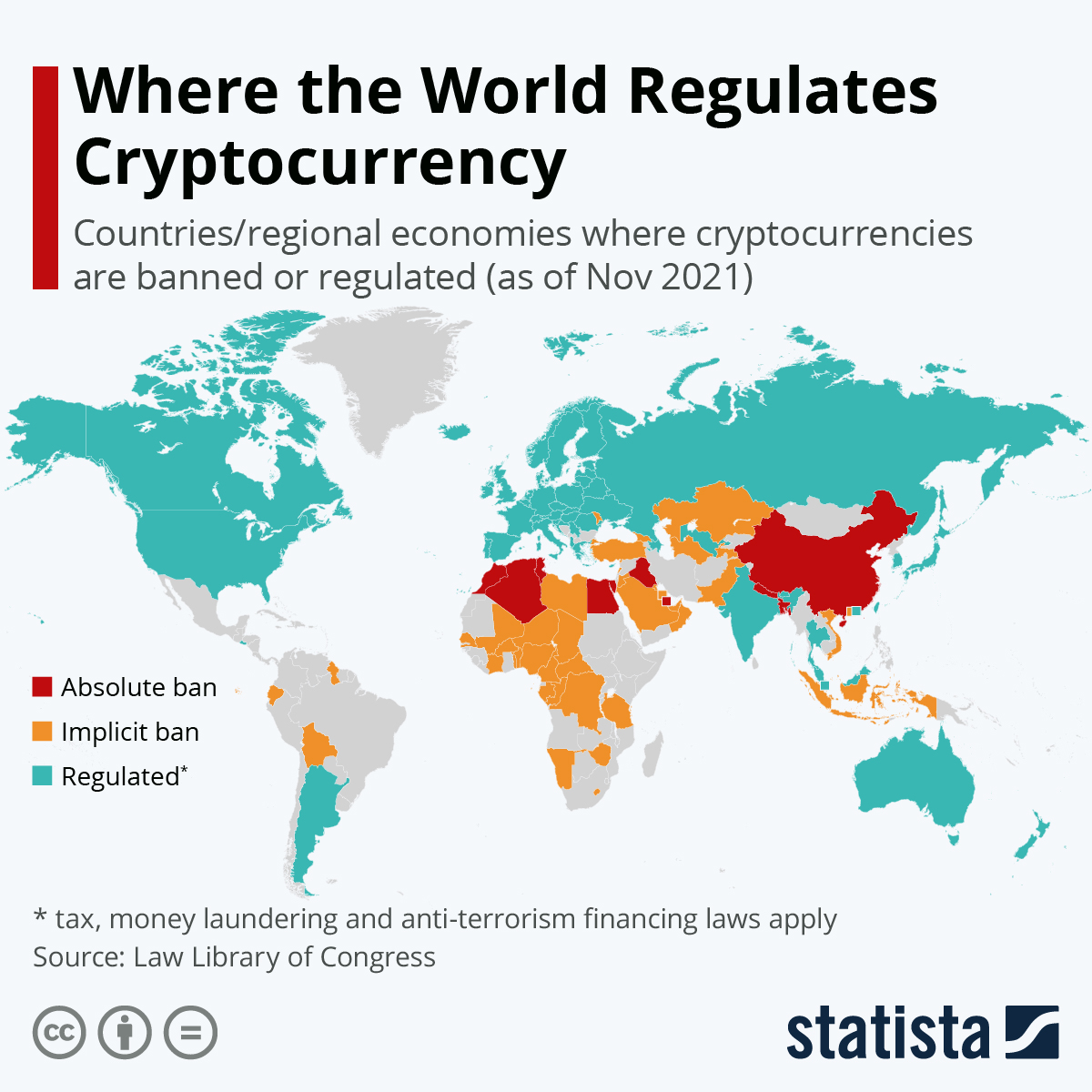
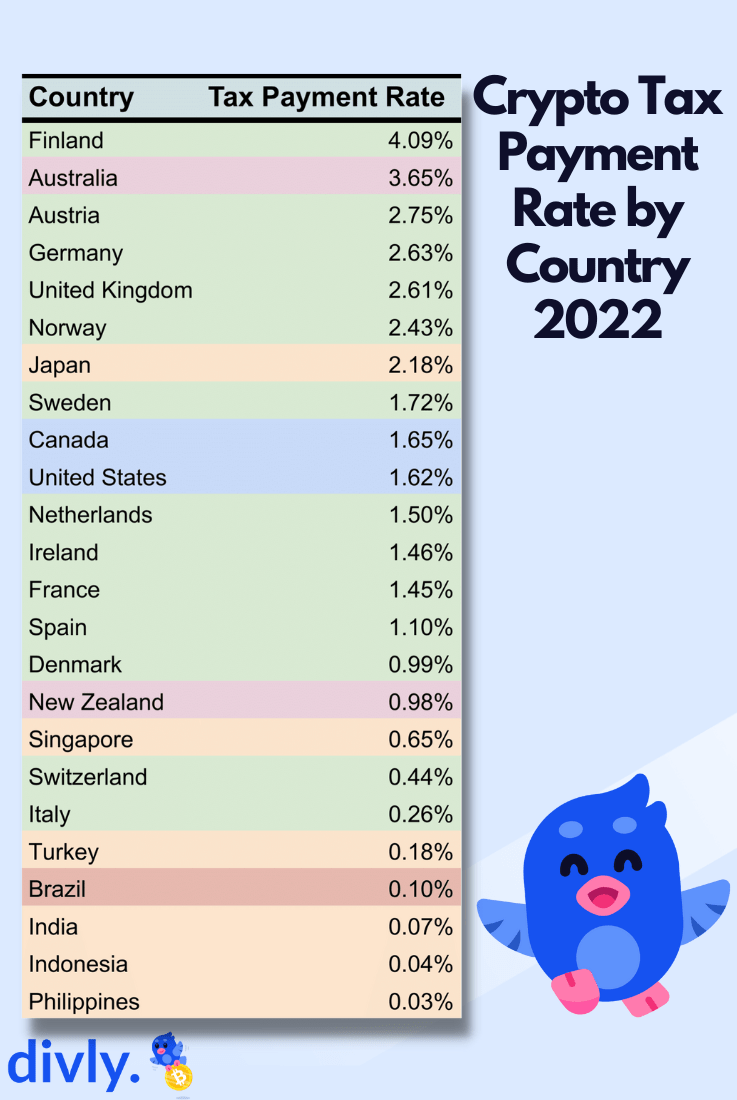

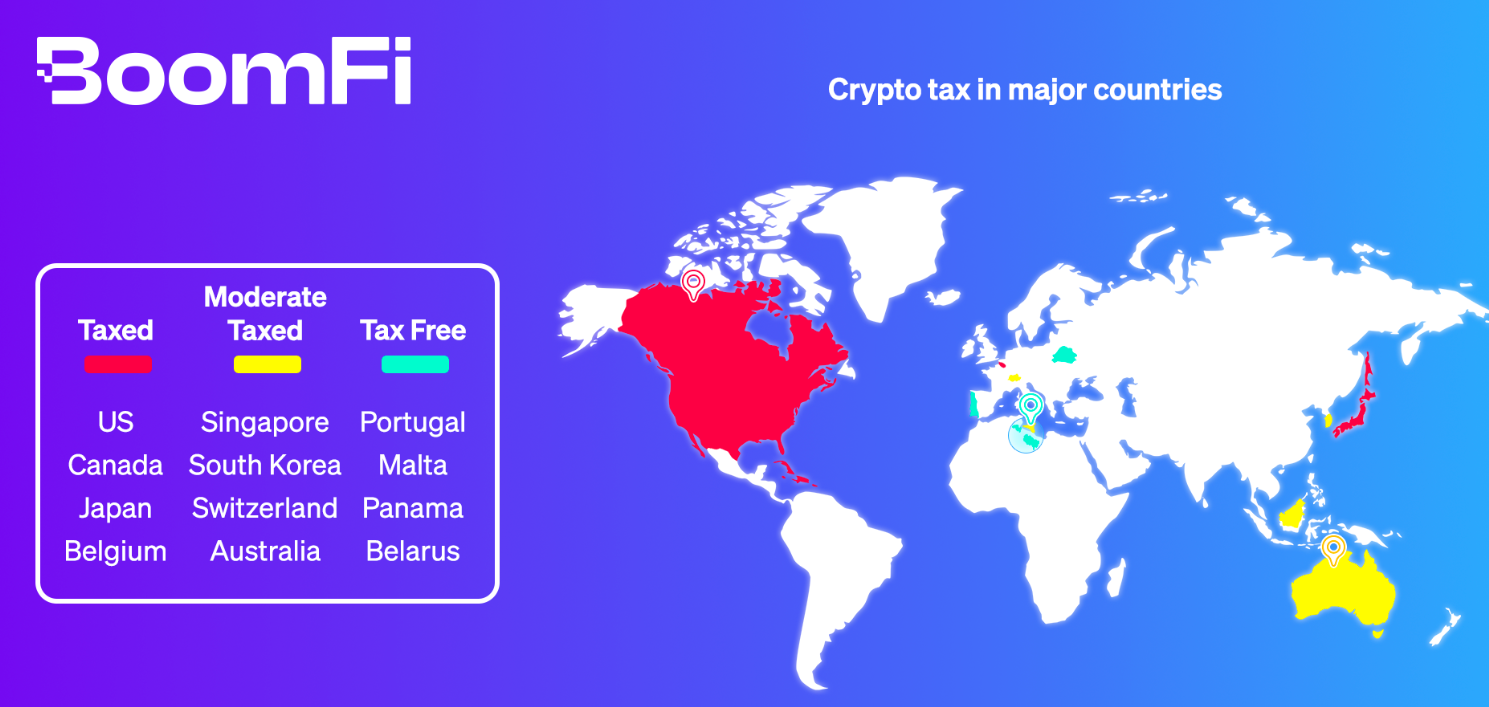
Alt text: Crypto tax laws by country infographic showing global cryptocurrency taxation comparison
Before we dive into details, here’s a quick comparison table.
📊 Quick Comparison Table: Crypto Tax Laws by Country
| Country | Crypto Legal? | Capital Gains Tax | Income Tax on Crypto | Tax-Free Conditions |
|---|---|---|---|---|
| United States | Yes | Yes | Yes | No |
| United Kingdom | Yes | Yes | Yes | Annual allowance |
| Germany | Yes | No (after 1 year) | Yes | Hold 1+ year |
| Portugal | Yes | Yes (short term) | Yes | Long-term gains lower |
| UAE | Yes | No (personal) | No | Zero personal tax |
| El Salvador | Yes (BTC legal tender) | No (foreign investors) | Limited | Foreign exemption |
| Japan | Yes | High rates | Yes | None |
| Singapore | Yes | No capital gains | Yes (business) | Long-term investing |
| Australia | Yes | Yes | Yes | 12-month discount |
Now, let’s explore each region in detail.
🇺🇸 United States Crypto Tax Rules


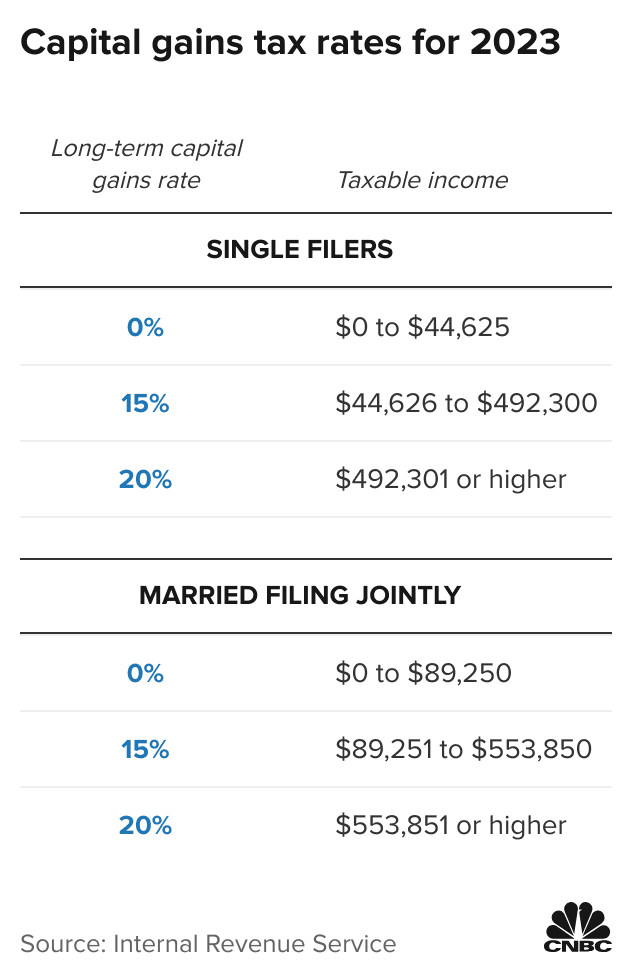
Alt text: Crypto tax laws by country example showing United States IRS cryptocurrency taxation
In the United States, the Internal Revenue Service (IRS) treats cryptocurrency as property.
That means crypto tax laws by country in the U.S. follow capital gains rules.
🧾 When Do You Pay Tax?
You pay taxes when you:
- Sell crypto for cash
- Trade one crypto for another
- Use crypto to buy goods or services
- Earn crypto from mining or staking
💰 Capital Gains Tax Rates
- Short-term (held less than 1 year): 10%–37%
- Long-term (held more than 1 year): 0%–20%
Income from mining or staking counts as ordinary income.
The U.S. has strict reporting rules. Exchanges report transactions to the IRS.
🇬🇧 United Kingdom Crypto Tax System
In the UK, HM Revenue and Customs (HMRC) manages crypto taxation.
Crypto tax laws by country in the UK treat digital assets as property.
📌 Key Points
- Capital Gains Tax applies when selling crypto
- Income Tax applies to mining and staking
- Tax-free allowance: £6,000 (subject to updates)
Rates:
- 10% for basic rate taxpayers
- 20% for higher rate taxpayers
Therefore, small investors may pay little or no tax if gains stay under the allowance.
🇩🇪 Germany: A Crypto-Friendly Tax Model
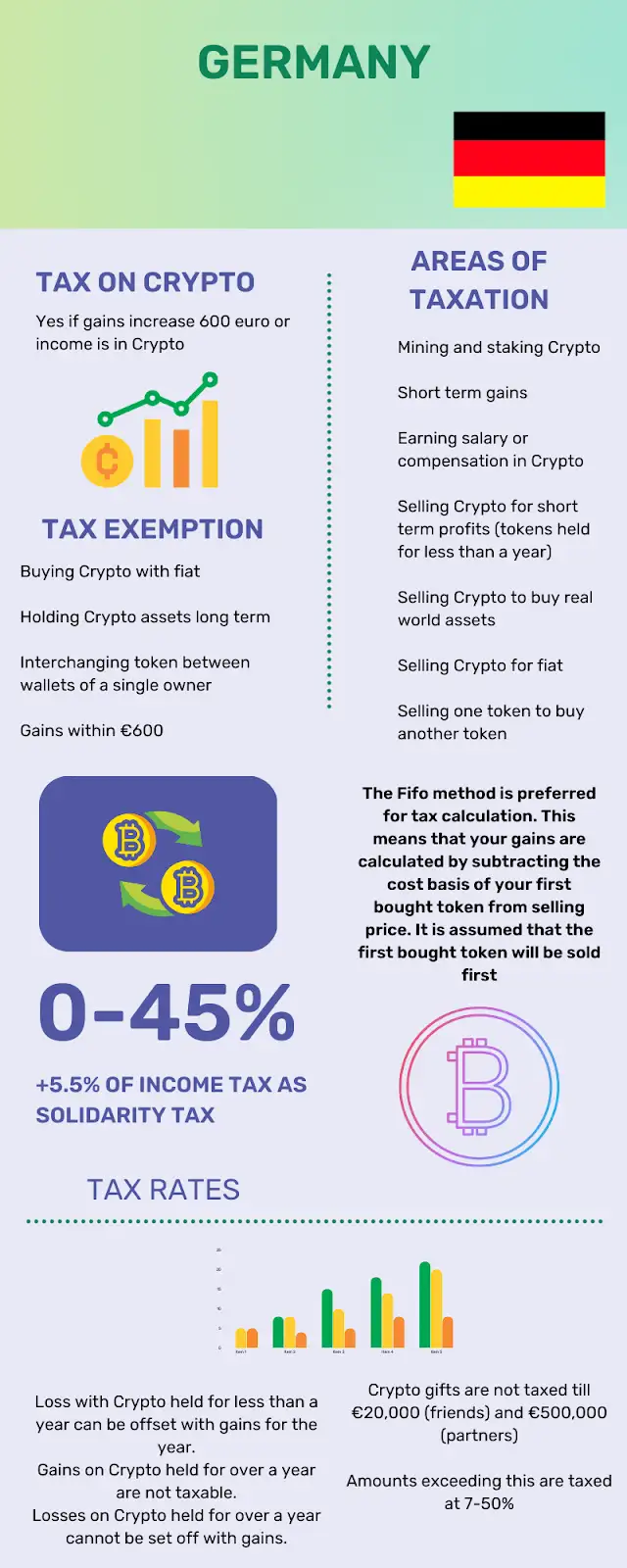

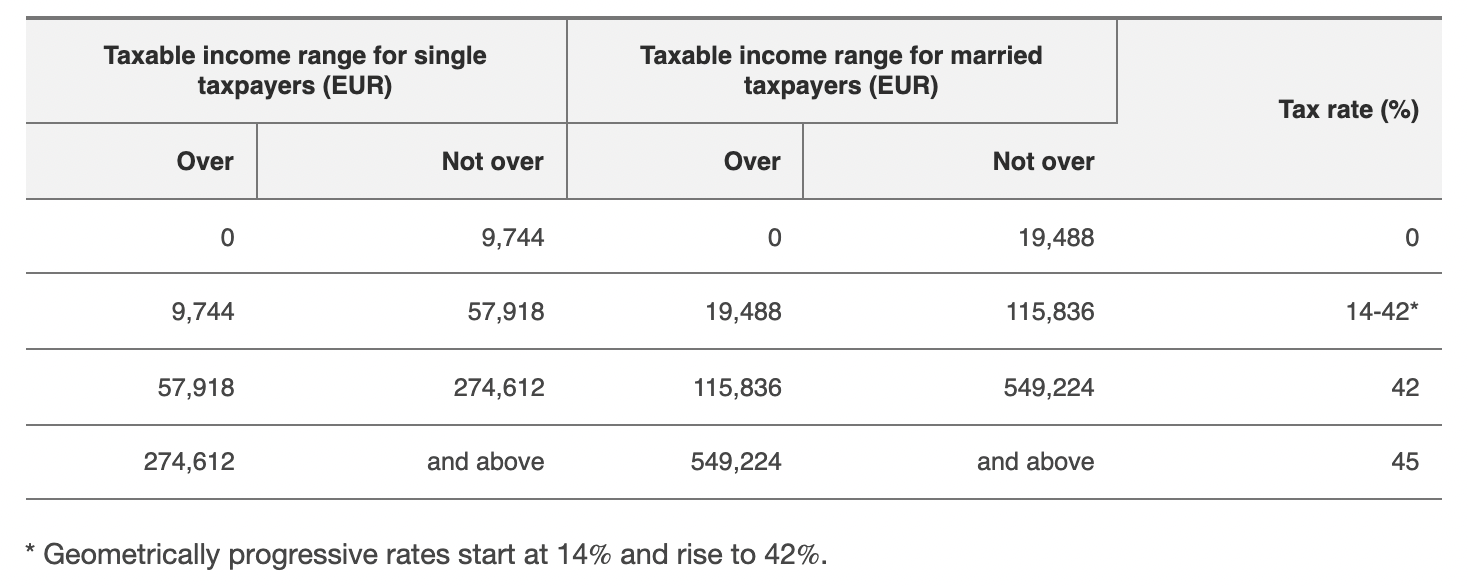
Alt text: Crypto tax laws by country highlighting Germany long-term holding rule
Germany has one of the most investor-friendly crypto tax laws by country.
Here’s why:
⏳ 1-Year Holding Rule
If you hold cryptocurrency for more than one year, you pay zero capital gains tax.
Yes, zero.
However, if you sell before one year, gains may be taxed as income.
This rule makes Germany attractive for long-term holders.
🇵🇹 Portugal: Changing Crypto Tax Landscape
Portugal used to be a crypto tax haven. However, rules changed in 2023.
Current System
- Short-term gains taxed at 28%
- Long-term gains taxed at lower or exempt rates
- Professional trading taxed as business income
Portugal still remains competitive compared to many EU nations.
🇦🇪 United Arab Emirates: Zero Personal Crypto Tax




Alt text: Crypto tax laws by country showing UAE zero personal cryptocurrency tax
The United Arab Emirates offers one of the most attractive crypto tax laws by country.
🚀 What Makes UAE Special?
- No personal income tax
- No capital gains tax for individuals
- Corporate tax applies in some cases
Dubai has become a global crypto hub because of these policies.
However, always check residency rules before moving.
🇸🇻 El Salvador: Bitcoin as Legal Tender
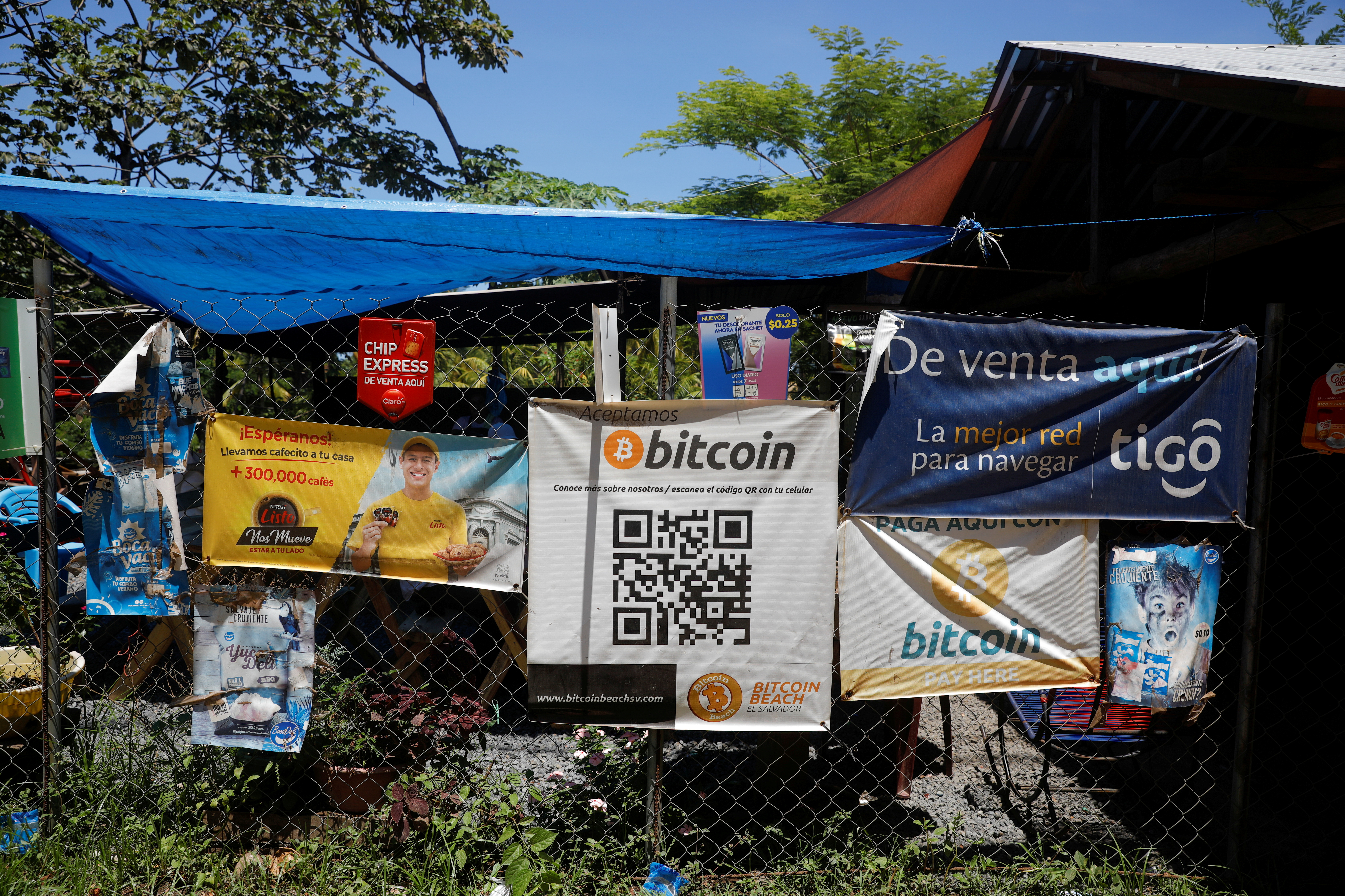
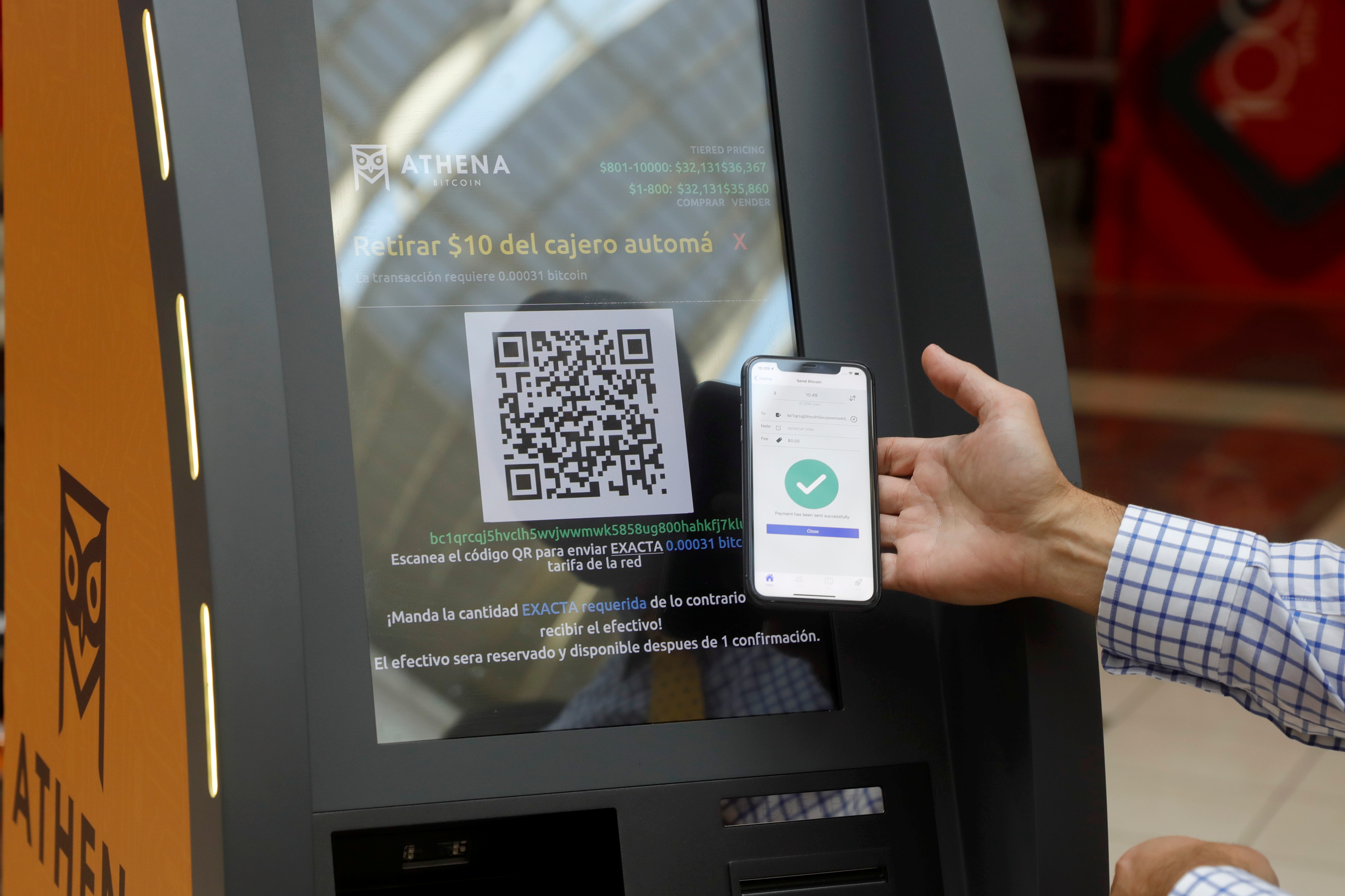

Alt text: Crypto tax laws by country example showing El Salvador Bitcoin legal tender status
El Salvador made Bitcoin legal tender in 2021.
Foreign investors do not pay capital gains tax on Bitcoin profits.
This move aimed to attract global crypto investors.
Still, local tax rules may apply to businesses.
🇯🇵 Japan: High But Clear Crypto Taxes
Japan recognizes crypto as legal property.
However, tax rates are high.
💴 Tax Structure
- Treated as miscellaneous income
- Rates can reach up to 55%
Japan’s crypto tax laws by country are strict but transparent.
🇸🇬 Singapore: Investor-Friendly Approach

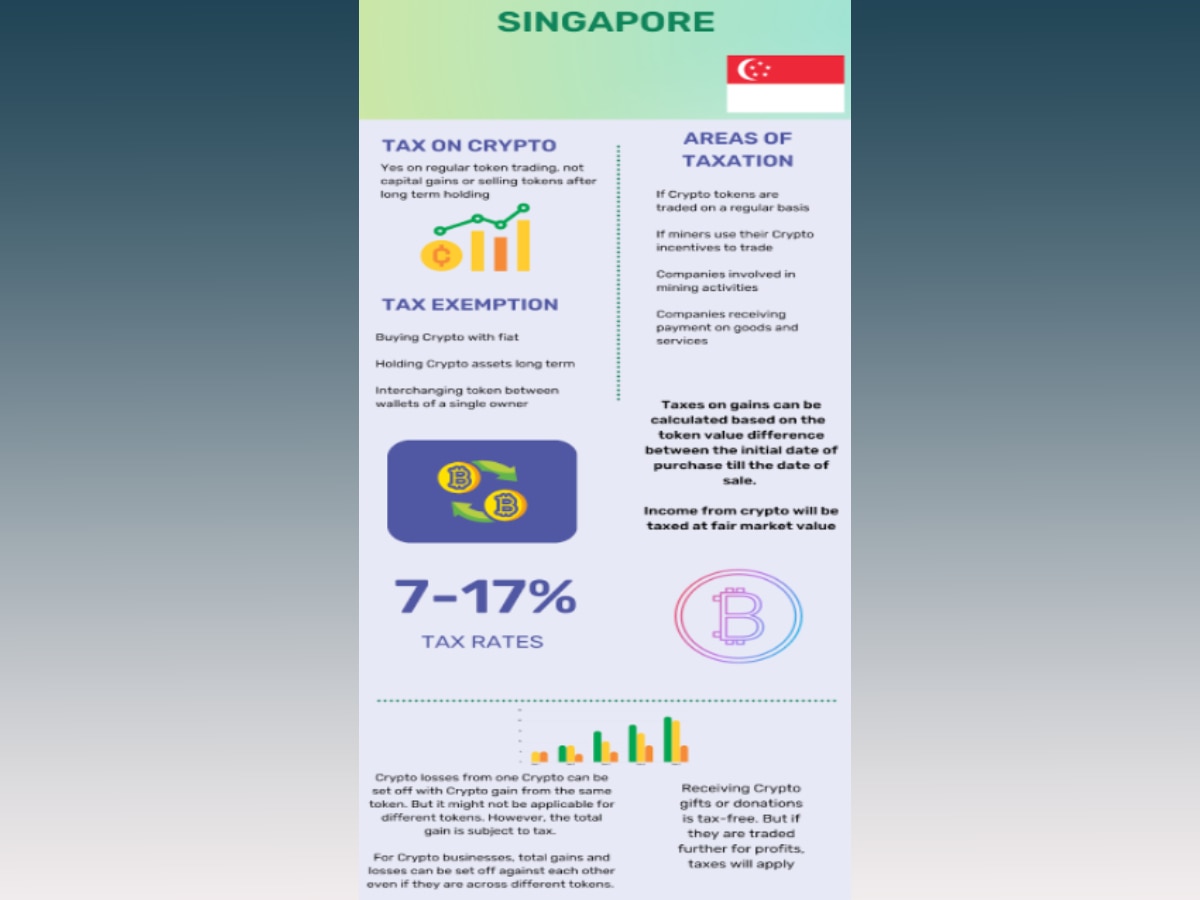


Alt text: Crypto tax laws by country highlighting Singapore no capital gains tax
Singapore does not have capital gains tax.
This means long-term investors often pay zero tax.
However:
- Businesses accepting crypto pay income tax
- Frequent trading may count as business activity
Singapore remains one of Asia’s most crypto-friendly countries.
🇦🇺 Australia: Clear and Structured Rules
In Australia, crypto is treated as property.
Important Points
- Capital gains tax applies
- 50% discount if held over 12 months
- Mining taxed as income
Australia’s crypto tax laws by country are detailed but fair.
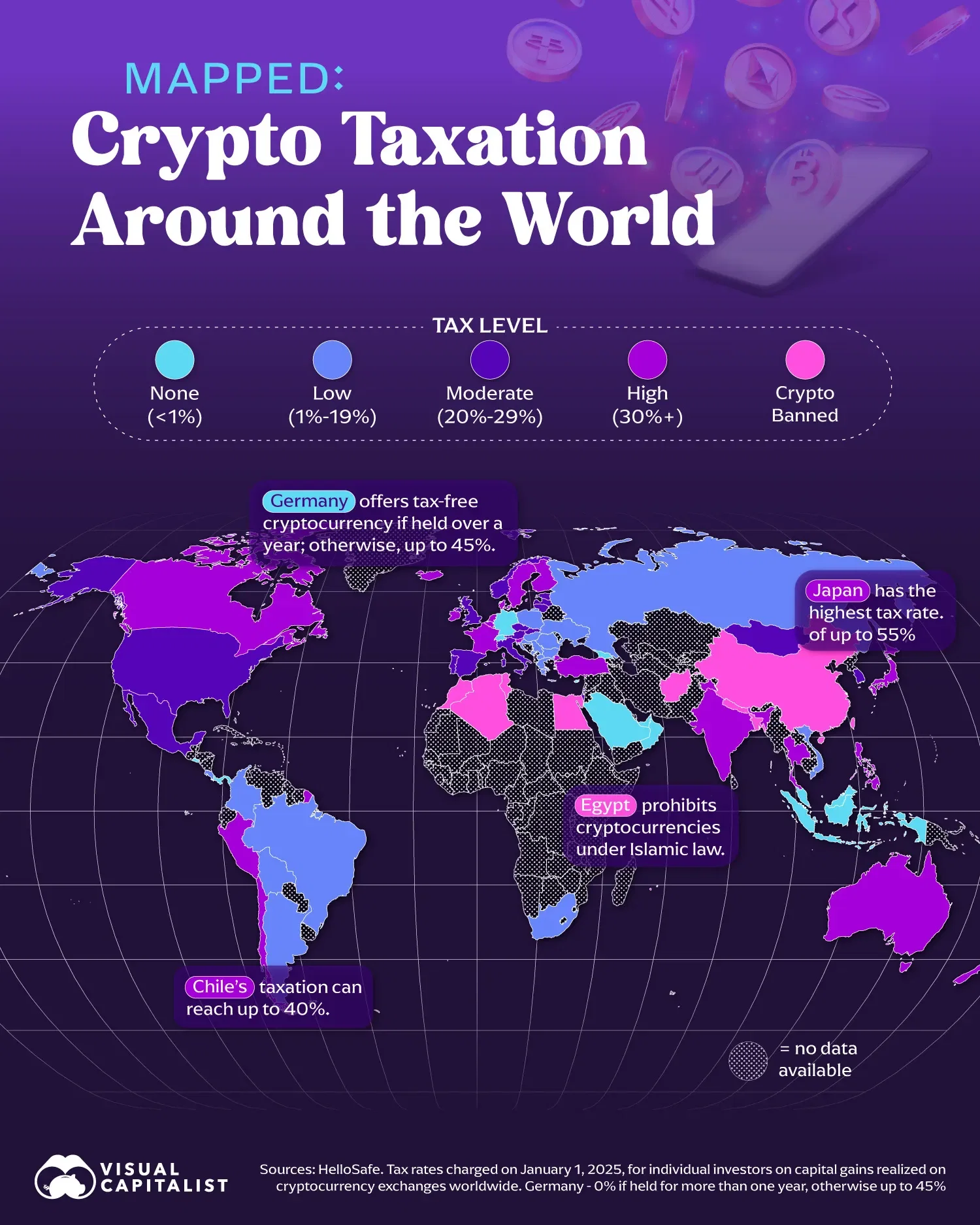
📈 Visual Comparison: High vs Low Crypto Tax Countries

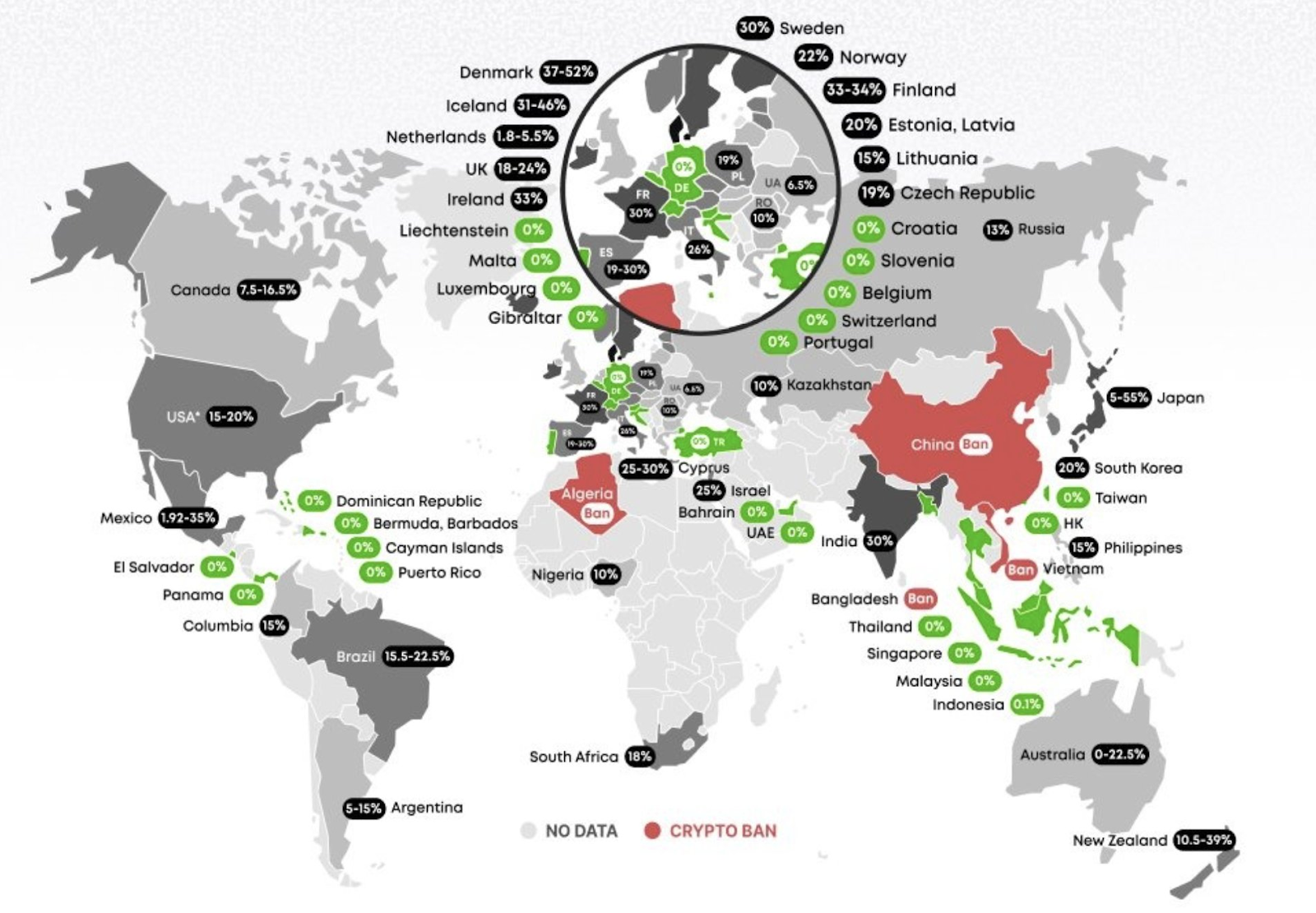
Alt text: Crypto tax laws by country comparison chart showing high and low tax regions
🔴 Higher Crypto Tax Countries
- Japan
- United States (short-term high earners)
- United Kingdom (higher bracket)
🟢 Lower Crypto Tax Countries
- UAE
- Singapore
- Germany (long-term)
- El Salvador
🏝️ Countries With No Crypto Tax
Some jurisdictions offer nearly zero crypto taxes:
- UAE
- Cayman Islands
- Bermuda
- El Salvador (foreign investors)
However, tax residency rules matter. Moving physically does not always remove tax obligations.
🧠 How Governments Classify Crypto
Crypto tax laws by country depend on classification:
| Classification | Countries |
|---|---|
| Property | US, UK, Australia |
| Currency | El Salvador |
| Digital Asset | Germany |
| Miscellaneous Income | Japan |
Classification affects:
- Tax rates
- Reporting requirements
- Loss deductions
📝 Reporting Requirements Around the World
Many countries now require:
- Exchange transaction reports
- Wallet disclosures
- Capital gains calculations
For example, the IRS requires Form 8949.
The UK requires self-assessment filing.
Always keep detailed records.
For more crypto insights and updates, visit https://www.cryptonews21.com and explore the latest global crypto developments. For official U.S. crypto tax guidance, you can review IRS resources directly at https://www.irs.gov.
💡 Tips for Managing Crypto Taxes Globally
- Track every transaction
- Use crypto tax software
- Know your holding period
- Understand residency rules
- Consult a tax professional
Because crypto tax laws by country change often, staying updated is critical.
🔮 Future of Crypto Tax Laws Worldwide
Governments continue tightening regulations.
We see trends such as:
- Automatic exchange reporting
- International data sharing
- Stablecoin-specific rules
- DeFi tax clarification
The OECD is pushing global standards.
This means crypto tax laws by country may become more aligned over time.
❓ Frequently Asked Questions (FAQs)
1. Which country has no crypto tax?
The UAE currently offers zero personal crypto tax.
2. Is crypto taxed the same everywhere?
No. Crypto tax laws by country vary widely.
3. Do I pay tax if I only hold crypto?
In most countries, holding alone is not taxable.
4. Is moving abroad enough to avoid crypto tax?
Not always. Tax residency rules apply.
5. Are crypto-to-crypto trades taxable?
Yes, in many countries like the U.S.
6. Which country is most crypto-friendly?
Germany (long-term), Singapore, and UAE rank high.
🔚 Final Thoughts: Why Global Crypto Tax Knowledge Matters
Crypto is global. Taxes are local.
That’s why understanding crypto tax laws by country is so important. One country may reward long-term holding. Another may tax every transaction heavily.
Before you invest, trade, or relocate, review the local rules carefully.
Smart investors don’t just watch the market. They also watch tax policy.
As cryptocurrency adoption grows, governments will continue refining their systems. Staying informed will protect your profits and help you stay compliant.
In short, knowing crypto tax laws by country gives you an advantage in a fast-moving digital economy.