




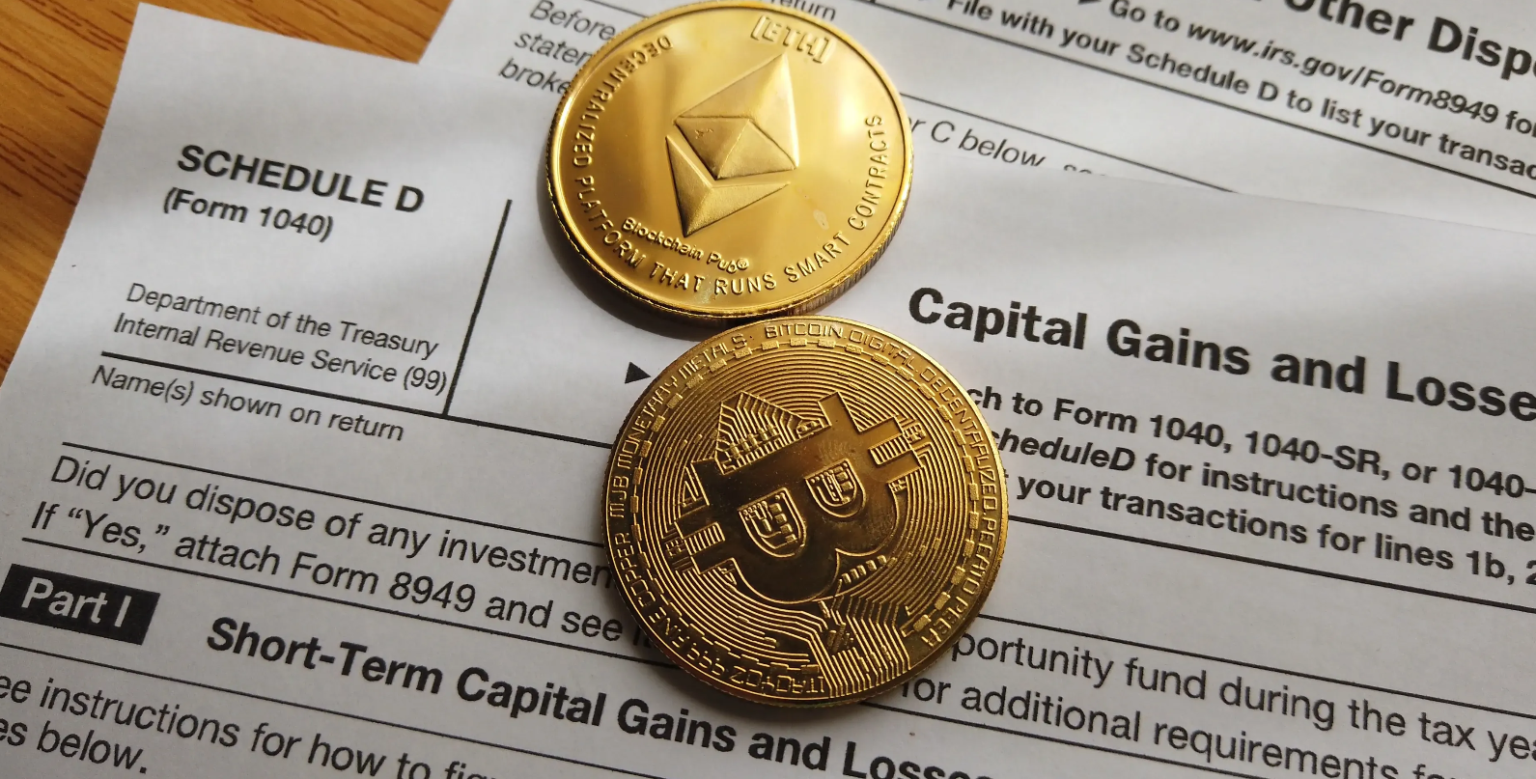
If you’ve ever swapped Bitcoin for Ethereum and wondered, are crypto-to-crypto trades taxable? — you’re not alone. Many crypto investors assume taxes only apply when they convert crypto into cash. However, in most countries, crypto-to-crypto trades are taxable events.
- What Does “Crypto-to-Crypto Trade” Mean?
- Are Crypto-to-Crypto Trades Taxable?
- Why Are Crypto-to-Crypto Trades Taxable?
- How Crypto-to-Crypto Trades Are Taxed
- Example: How to Calculate Crypto-to-Crypto Taxes
- Visual Breakdown: Crypto-to-Crypto Tax Flow
- Are Crypto-to-Crypto Trades Taxable on Decentralized Exchanges?
- Special Case: Stablecoin Swaps
- Do All Countries Treat Crypto-to-Crypto Trades as Taxable?
- How to Reduce Taxes on Crypto-to-Crypto Trades
- What About Gas Fees?
- Are NFT Swaps Taxable Too?
- Common Mistakes Investors Make
- What Happens If You Don’t Report Crypto-to-Crypto Trades?
- How to Calculate Crypto Taxes Easily
- Quick Reference: Are Crypto-to-Crypto Trades Taxable?
- 1. Are crypto-to-crypto trades taxable if I didn’t make a profit?
- 2. Do I pay tax immediately after the trade?
- 3. Are small crypto-to-crypto trades taxable?
- 4. How do I know the value at the time of trade?
- 5. Are crypto-to-crypto trades taxable for day traders?
- 6. What if I forgot to report previous trades?
- Final Thoughts: Don’t Ignore Crypto-to-Crypto Taxes
That means exchanging one digital coin for another can trigger capital gains tax, even if no fiat money (like USD or EUR) touches your bank account.
In this in-depth guide, you’ll learn:
- Whether crypto-to-crypto trades are taxable
- How tax authorities treat digital asset swaps
- How to calculate gains or losses
- Real-world examples
- How to reduce your crypto tax burden legally
- FAQs about crypto tax rules
Let’s break it all down in simple language.
What Does “Crypto-to-Crypto Trade” Mean?

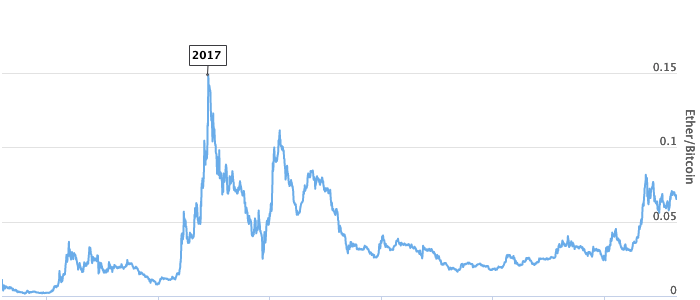

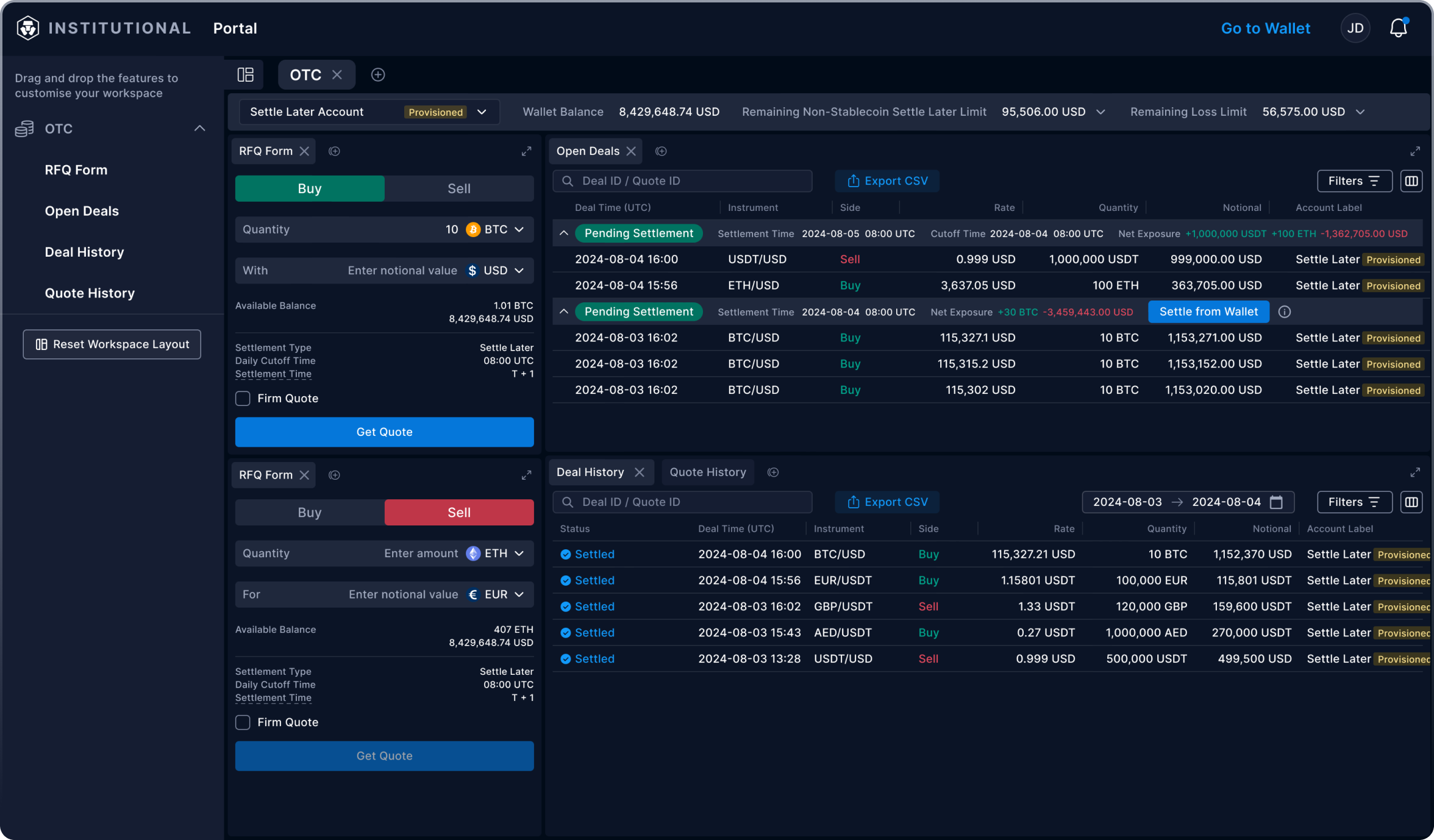
Before answering are crypto-to-crypto trades taxable, let’s define the term.
A crypto-to-crypto trade happens when you:
- Exchange Bitcoin (BTC) for Ethereum (ETH)
- Swap Solana (SOL) for Cardano (ADA)
- Trade USDT for BNB
- Use a decentralized exchange to swap tokens
In simple words, you give up one cryptocurrency and receive another.
Even though you didn’t cash out, you still disposed of one asset. And that matters for taxes.
Are Crypto-to-Crypto Trades Taxable?
Short Answer: Yes, In Most Countries
In many tax jurisdictions like the United States, Canada, the UK, and Australia, crypto-to-crypto trades are taxable.
Tax agencies treat cryptocurrency as property, not currency. So when you trade one coin for another, it’s like:
Selling one asset and buying another at the same time.
For example:
- You bought 1 BTC for $20,000.
- Later, you trade that BTC for ETH when BTC is worth $30,000.
The government sees this as:
- You “sold” BTC for $30,000.
- You made a $10,000 capital gain.
That $10,000 gain may be taxable.
Why Are Crypto-to-Crypto Trades Taxable?


Many people get confused here.
They think:
“I didn’t convert to cash. Why should I pay taxes?”
However, tax authorities focus on asset disposal, not just cashing out.
When you trade crypto:
- You dispose of your old crypto.
- You acquire a new crypto.
- The value difference creates a gain or loss.
In the United States, the Internal Revenue Service clearly states that cryptocurrency transactions, including crypto-to-crypto trades, are taxable events.
For official guidance, you can review IRS documentation here:
👉 https://www.irs.gov/businesses/small-businesses-self-employed/virtual-currencies
How Crypto-to-Crypto Trades Are Taxed
Capital Gains Tax Explained Simply
Taxes depend on how much your asset increased in value.
Here’s how it works:
| Scenario | Result | Tax Outcome |
|---|---|---|
| Trade crypto at higher value than purchase price | Profit | Capital gain (taxable) |
| Trade crypto at lower value than purchase price | Loss | Capital loss (can offset gains) |
| Trade at same value | No gain | No tax |
Short-Term vs Long-Term Gains
Most countries divide gains into two categories:
| Holding Period | Tax Type | Usually Higher? |
|---|---|---|
| Less than 1 year | Short-term gain | Yes |
| More than 1 year | Long-term gain | Usually lower |
So if you held your crypto for over a year before swapping, you might pay less tax.
Example: How to Calculate Crypto-to-Crypto Taxes
Let’s look at a simple example.
Example 1: Profitable Trade
- Bought 2 ETH at $1,000 each = $2,000 total.
- Later traded 2 ETH for SOL when ETH price was $1,500 each.
At trade time:
- 2 ETH = $3,000 total value.
Your gain:
- $3,000 – $2,000 = $1,000 capital gain.
That $1,000 may be taxable.
Example 2: Loss Trade
- Bought BTC at $40,000.
- Swapped it for ADA when BTC was worth $30,000.
Your loss:
- $30,000 – $40,000 = $10,000 capital loss.
You may use that loss to reduce other capital gains.
Visual Breakdown: Crypto-to-Crypto Tax Flow
Buy Crypto A → Price Increases → Trade for Crypto B → Taxable Event
OR
Buy Crypto A → Price Drops → Trade for Crypto B → Capital Loss (Tax Benefit)
Are Crypto-to-Crypto Trades Taxable on Decentralized Exchanges?

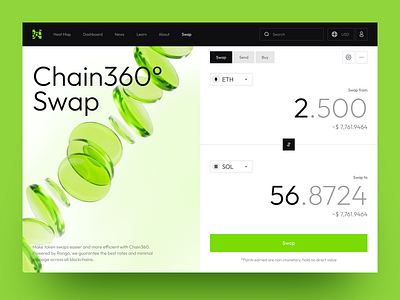
Yes. Even if you use:
- Uniswap
- PancakeSwap
- SushiSwap
- MetaMask swaps
The trade is still taxable.
Tax authorities don’t care whether the exchange is centralized or decentralized.
If you dispose of one crypto for another, it’s generally taxable.
Special Case: Stablecoin Swaps
Some people believe trading crypto for stablecoins avoids tax.
That’s not correct.
If you:
- Trade BTC for USDT
- Trade ETH for USDC
It’s still considered a taxable disposal.
Even though stablecoins are pegged to the dollar, the trade may trigger gains or losses.
Do All Countries Treat Crypto-to-Crypto Trades as Taxable?
Not all countries follow the same rules.
Here’s a general overview:
| Country | Crypto-to-Crypto Taxable? |
|---|---|
| USA | Yes |
| UK | Yes |
| Canada | Yes |
| Australia | Yes |
| Germany | Sometimes (if held >1 year, may be tax-free) |
| UAE | Often No personal income tax |
Always check your local tax laws.
If you’re unsure, consult a tax professional or review trusted resources like https://www.cryptonews21.com for updated crypto tax insights.
How to Reduce Taxes on Crypto-to-Crypto Trades
1. Hold Longer Than One Year
Long-term capital gains are often taxed at lower rates.
2. Use Tax-Loss Harvesting
If you have losing positions:
- Sell or swap them.
- Use losses to offset gains.
3. Track Every Transaction
Keep records of:
- Purchase price
- Trade date
- Market value at trade time
- Fees paid
Without records, calculating taxes becomes difficult.
What About Gas Fees?
Gas fees can:
- Increase your cost basis when buying.
- Reduce your gains when selling.
Example:
- Bought ETH for $2,000.
- Paid $100 in gas.
- Your cost basis = $2,100.
This lowers your taxable gain later.
Are NFT Swaps Taxable Too?
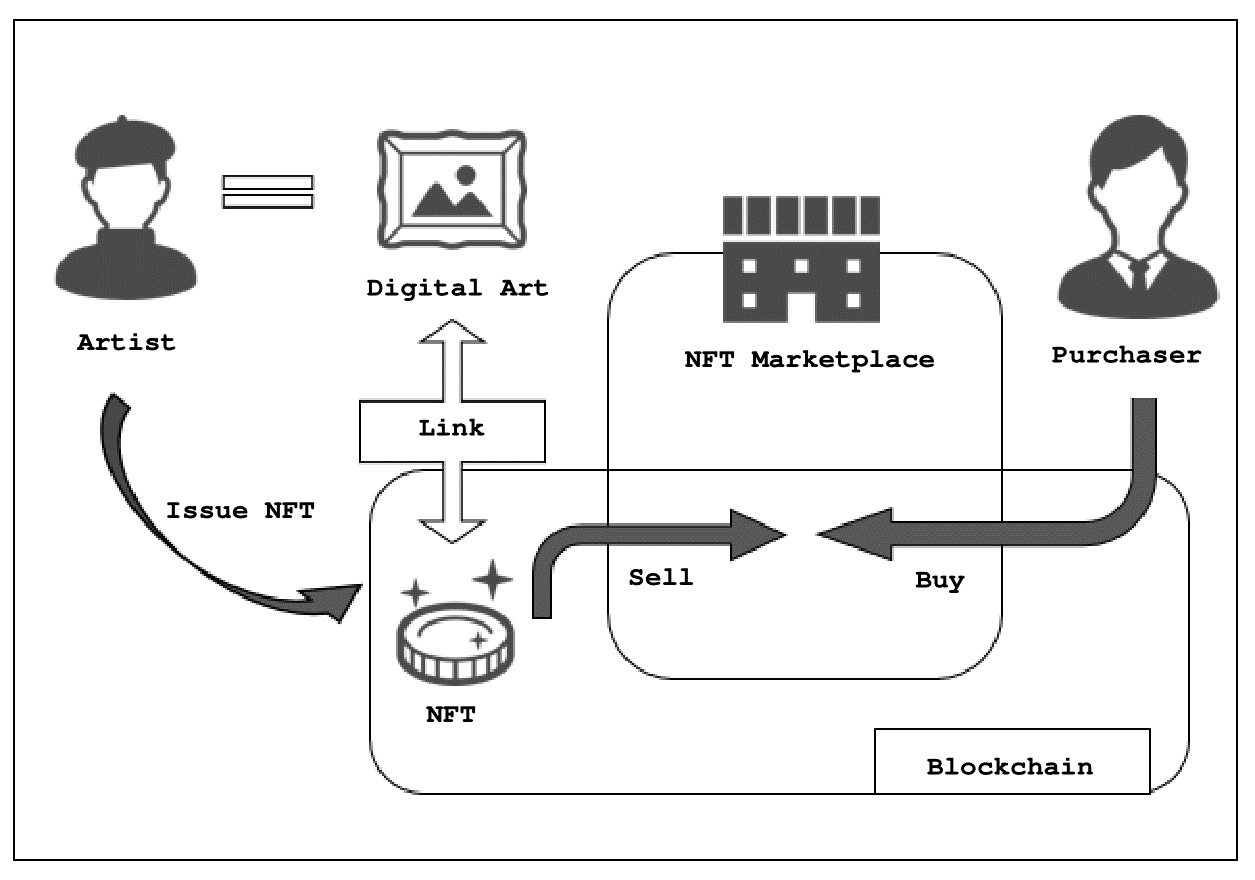


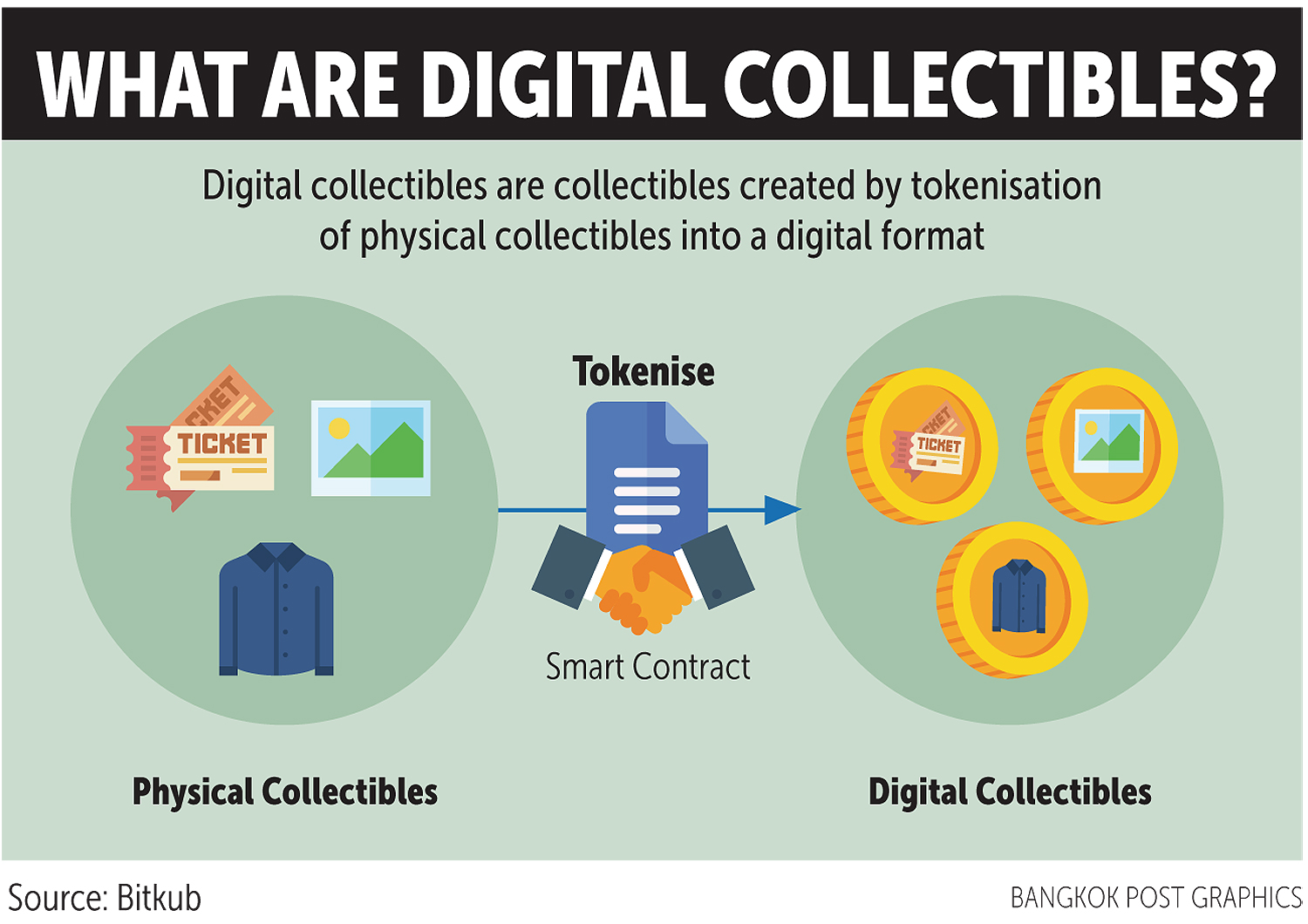
Yes.
If you:
- Swap one NFT for another
- Trade an NFT for crypto
That may trigger a taxable event.
The same disposal rule applies.
Common Mistakes Investors Make
Many people misunderstand are crypto-to-crypto trades taxable and end up making costly errors.
Here are common mistakes:
- Thinking only cash withdrawals are taxable
- Ignoring DeFi swaps
- Forgetting small trades
- Not tracking transaction history
- Assuming stablecoin trades are tax-free
Even small trades can add up over time.
What Happens If You Don’t Report Crypto-to-Crypto Trades?
Tax agencies are improving crypto tracking.
In the U.S., exchanges send transaction data to the Internal Revenue Service.
Failure to report may lead to:
- Penalties
- Interest charges
- Audits
- Legal action
So it’s safer to stay compliant.
How to Calculate Crypto Taxes Easily
Here’s a simple 5-step checklist:
- Export transaction history.
- Identify each crypto-to-crypto trade.
- Find market value at trade time.
- Subtract cost basis.
- Report gains or losses.
You can also use crypto tax software to automate calculations.
Quick Reference: Are Crypto-to-Crypto Trades Taxable?
| Transaction Type | Taxable? |
|---|---|
| Buy crypto with cash | No |
| Sell crypto for cash | Yes |
| Trade crypto for crypto | Yes |
| Trade crypto for stablecoin | Yes |
| Transfer between wallets | No |
| Gift crypto | Usually No (but depends) |
Frequently Asked Questions (FAQs)
1. Are crypto-to-crypto trades taxable if I didn’t make a profit?
No profit means no capital gain. However, you must still report the transaction in many countries.
2. Do I pay tax immediately after the trade?
Taxes are usually paid when you file your annual tax return, not at the moment of trade.
3. Are small crypto-to-crypto trades taxable?
Yes. Even small swaps are taxable if they generate gains.
4. How do I know the value at the time of trade?
Use the exchange’s historical price data or a reliable market tracker.
5. Are crypto-to-crypto trades taxable for day traders?
Yes. In fact, frequent trading may result in many short-term taxable gains.
6. What if I forgot to report previous trades?
You may be able to amend your tax return. Consult a tax professional.
Final Thoughts: Don’t Ignore Crypto-to-Crypto Taxes
So, are crypto-to-crypto trades taxable? In most cases, yes.
Whenever you swap one cryptocurrency for another, you likely trigger a taxable event. Even if no cash enters your bank account, the government may still see it as a sale.
The key takeaways:
- Trading crypto for crypto is usually taxable.
- Gains and losses matter.
- Holding period affects tax rate.
- Proper tracking saves headaches.
- Losses can reduce tax bills.
Crypto investing offers exciting opportunities. However, ignoring tax rules can turn profits into problems.
Stay informed. Keep records. Plan smartly.
And most importantly, treat every crypto trade as a potential tax event.
Because in the world of digital assets, even swapping coins can have real-world tax consequences.