





Cryptocurrency tax rules are getting stricter every year. If you are earning, trading, selling, or using crypto, you need to know What Records Should You Keep for Crypto Taxes? Keeping accurate documentation can save you money, avoid fines, and make tax time much less stressful. In this guide, we explain exactly what records to keep, how to organize them, and why these records matter. We will also include examples, tables, and answers to common questions so you can be prepared.
- Why Crypto Tax Records Matter
- 1. Basic Identity and Wallet Information
- 2. Transaction History for Every Account
- 3. Dates and Values for Every Transaction
- 4. Cost Basis Records
- 5. Gain or Loss Records
- 6. Income Records (If You Earn Crypto)
- 7. Records of Gifts, Donations, and Losses
- 8. Records from Exchanges and Brokers
- 9. Records of Crypto Taxes You Already Paid
- 10. How to Organize All These Records
- 11. Crypto Tax Tools That Help With Records
- 12. A Simple Crypto Tax Record Template
- Crypto Records Example (Full Ledger Entry)
- Frequently Asked Questions (FAQs)
- 1. What basic question must I answer about crypto taxes?
- 2. Why is a cost basis record needed?
- 3. Do I need to keep records for small transactions?
- 4. How long do I keep crypto tax records?
- 5. Can I use screenshots if I have no exports?
- 6. Where can I learn more about crypto tax rules?
- Conclusion
Why Crypto Tax Records Matter
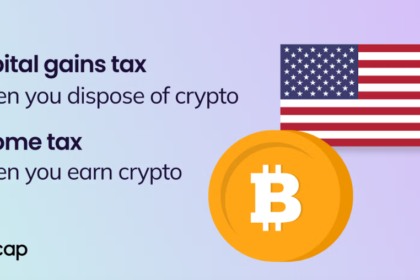
Taxes apply when you sell, trade, spend, or earn cryptocurrency. In most countries, crypto is treated like property or income. This means you must report gains, losses, and income just like stocks or a job. Without records, it becomes nearly impossible to calculate your tax correctly.
Here’s what can happen if you don’t keep good records:
- You misreport gains or losses.
- You pay more tax than needed.
- You risk penalties or an audit.
- You can’t prove your transactions if questioned.
The first step is answered by this main question: What Records Should You Keep for Crypto Taxes? Let’s break it down.
1. Basic Identity and Wallet Information
You should keep clear records of all your crypto wallets. This includes custodial and non‑custodial wallets.
Essential Wallet Records (All Types)
| Record Type | What to Save | Why It Matters |
|---|---|---|
| Wallet address | Your public crypto address | Needed to match transactions |
| Wallet name | Example: Ledger, MetaMask | Helps organize records |
| Type of wallet | Hardware, software, exchange | Different tax treatment |
| Creation date | When you first used the wallet | Useful for proof of ownership |
Make sure you list every wallet you use for crypto.
2. Transaction History for Every Account
Next, record every transaction you make. These are the transactions that affect taxable events.
Transactions to Record
You should save:
- Buys and sells
- Trades between crypto coins
- Sending or receiving crypto
- Spending crypto for goods or services
- Transfers between wallets
Examples of Transactions
| Action | Tax Impact |
|---|---|
| Buying Bitcoin with USD | No taxable event yet |
| Selling Bitcoin for USD | Taxable gain or loss |
| Trading Bitcoin for Ethereum | Taxable event |
| Sending crypto to a friend | May be taxable |
| Spending crypto in a store | Taxable event |
To answer What Records Should You Keep for Crypto Taxes?, a detailed ledger of every transaction is essential.
3. Dates and Values for Every Transaction
For each transaction, you must collect:
- Date and time
- Amount of crypto
- Value in your local currency
- Exchange or wallet used
This information helps you calculate gains and losses.
Why Dates and Values Matter
The tax system in many countries uses “cost basis” and “fair market value” to tax crypto. The cost basis is what you paid for the crypto in your local currency. The fair market value is how much it was worth when you sold, traded, or spent it.
Without these values, you cannot correctly calculate gains and losses.
4. Cost Basis Records
Your cost basis is the amount you originally paid for your crypto. This includes the price of the crypto plus any fees.
How to Record Cost Basis
Keep records of:
- Date you acquired the crypto
- Amount paid (in fiat currency)
- Fees paid
- Platform where you purchased it
A simple table can help:
| Crypto | Date Bought | Price | Fees | Total Cost Basis |
|---|---|---|---|---|
| BTC | 2025‑01‑10 | $50,000 | $100 | $50,100 |
5. Gain or Loss Records
Every time you sell or exchange crypto, you must record gains or losses.
How to Calculate Gains or Losses
Gain/Loss = Amount Sold − Cost Basis
Example:
| Item | Amount Sold | Cost Basis | Gain/Loss |
|---|---|---|---|
| ETH | $3,000 | $1,500 | $1,500 Gain |
Recording this helps you fulfill tax reporting requirements.
6. Income Records (If You Earn Crypto)
If you earn crypto — from mining, staking, airdrops, or work — this is taxable income.
Keep these records:
- Amount earned
- Date received
- Fair market value at receipt
- Source (employer or platform)
Example:
| Date | Source | Crypto Received | Value (USD) |
|---|---|---|---|
| 2026‑03‑15 | Mining Pool | 0.5 BTC | $25,000 |
These become part of your taxable income.
7. Records of Gifts, Donations, and Losses
Not all crypto activity is taxable — but some still needs records.
Gifts or Donations
If you receive crypto as a gift or donate crypto:
- Keep documentation
- Include value on the date received or donated
- Attach recipient info if applicable
Theft or Lost Crypto
If your crypto was lost or stolen, keep:
- Police report
- Relevant dates
- Accounts of the incident
Some countries allow deductions for certain losses, so you must have proof.
8. Records from Exchanges and Brokers
Most traders use exchanges like Binance, Coinbase, Kraken, or others.
For every exchange, download:
- Transaction history
- Trade reports
- Deposits and withdrawals
- Fee reports
Make sure they show dates, values, and types of actions.
💡 Tip: If a platform cannot export history, take screenshots and save them securely.
9. Records of Crypto Taxes You Already Paid
If you filed crypto taxes before, save your tax returns.
Include:
- Your tax filings
- Supporting schedules
- Any correspondence with tax authorities
These help if you are audited or need to correct prior filings.
10. How to Organize All These Records
Keeping everything organized will make tax time faster.
Best Ways to Store Crypto Tax Records
✔ Cloud storage (Google Drive, Dropbox)
✔ Local encrypted storage
✔ Spreadsheets
✔ Crypto tax software exports
You want easy access and backups.
11. Crypto Tax Tools That Help With Records
There are tools that automatically import your transactions and organize them.
Examples:
- CoinTracker
- Koinly
- Crypto.com tax tools
- Blockpit
These tools can generate reports showing gains, losses, and income. They help answer the question What Records Should You Keep for Crypto Taxes? by creating ready‑to‑file tax summaries.
Before choosing a tool, verify that it supports your country and exchange.
12. A Simple Crypto Tax Record Template
Here is a template you can copy:
Transaction Entry
Date:
Type (buy/sell/trade/spend):
Crypto:
Amount:
Value in local currency:
Fees:
Wallet/Exchange:
Cost Basis:
Gain/Loss:
Notes:
Use this for every action.
Crypto Records Example (Full Ledger Entry)
| Date | Type | Crypto | Amount | Value | Wallet | Fees | Gain/Loss |
|---|---|---|---|---|---|---|---|
| 2025‑05‑10 | Buy | BTC | 0.2 | $10,000 | Coinbase | $50 | N/A |
| 2025‑10‑20 | Sell | BTC | 0.1 | $7,000 | Coinbase | $35 | $3,000 Gain |
| 2026‑01‑02 | Trade | BTC→ETH | 0.05 | $3,000 | Binance | $10 | $1,000 Gain |
Frequently Asked Questions (FAQs)
1. What basic question must I answer about crypto taxes?
You must answer What Records Should You Keep for Crypto Taxes? This includes wallets, transactions, values, dates, sources of income, and proof of any losses or gifts.
2. Why is a cost basis record needed?
Cost basis tells how much you paid, including fees. It is the starting point for calculating gains and losses.
3. Do I need to keep records for small transactions?
Yes. Even small sales, trades, or transfers may be taxable.
4. How long do I keep crypto tax records?
Most tax authorities require records for 3 to 7 years. Check your local rules.
5. Can I use screenshots if I have no exports?
Yes. Screenshots with clear dates and values can be used, but export files are better.
6. Where can I learn more about crypto tax rules?
You can see detailed guides on crypto accounting and tax compliance such as this expert resource here: https://www.cryptonews21.com for updates and tutorials.
For official tax rules in the United States, visit the IRS website: https://www.irs.gov/businesses/small-businesses-self-employed/virtual-currencies (external link).
Conclusion
Knowing What Records Should You Keep for Crypto Taxes? protects you from mistakes, penalties, and stress. Record every wallet, transaction, and income event. Save values, dates, and proof of costs. Use tables or software to organize data. Store everything securely, and back it up.
Good records help you calculate gains, report income, and keep tax authorities happy. Don’t wait until tax season — start tracking today.