



Do US and European regulations make new crypto winners? The majority of investors are both excited and lost. Bitcoin and Ethereum are the top leaders. However, new altcoins are gaining growth. Others are quicker in terms of transactions. Others are concerned with privacy, AI, or tokenized assets.
- Why 2026 Is a Key Year for Altcoins
- The Main Problem with Emerging Altcoins
- The Major Trends that boost Emerging Altcoins in 2026
- 1. Artificial Intelligence-based Blockchains
- 2. On-Asset tokenization of Real-World Assets (RWA)
- 3. Layer 2 Scaling Solutions
- 4. Green and Sustainable Blockchain
- Top Altcoins to Watch in 2026
- 1. AI Infrastructure Tokens
- 2. Compliance-First Tokenized Securities
- 3. Altcoins: Cross-Border Payments
- 4. Privacy-Focused Coins
- How US Regulations Affect Emerging Altcoins
- How European Regulations Shape the Market
- Risk Management Strategies for 2026
- 1. Diversify Across Sectors
- 2. Allocate Small Percentages
- 3. Study Tokenomics
- 4. Judge Community Strength
- The Role of Institutional Adoption
- Long-Term Expectations for 2026
- Step-by-Step Guide to Monitor an Altcoin Initially
- Conclusion
The problem is simple. There are thousands of coins. Many fail. Some disappear. Some of them even become great networks. The regulation in the United States and Europe is getting clear in 2026. This provides new opportunities. It also enhances competition as well. Investors are required to be prudent and aware.
This guide will assist you in knowing the emerging altcoins to be monitored. It will describe trends, risks, and actual solutions. You will get to know how to assess projects. You will also witness that the regulations in the US and Europe impact growth.
Why 2026 Is a Key Year for Altcoins
The cryptocurrency is becoming more mature. It is no longer something that is being overlooked by governments. The U.S. Securities and Exchange Commission is still working on regulations concerning digital assets in the US. The Markets in Crypto-Assets Regulation gives a framework in Europe.
One of the most important issues is solved by clearer regulation: uncertainty. The legal risk was one of the reasons that many investors avoided altcoins. Now there is increased transparency. Projects that abide by such rules are able to win confidence.
The other reason why 2026 is important is legal adoption. Money centers, financial technologies, and investors are moving into the altcoin market. They look beyond Bitcoin. They desire platforms that are scalable and real-life applications.
The Main Problem with Emerging Altcoins

We will discuss the major issue before proceeding to the particular projects. Most emerging altcoins fail.
They fail due to:
- Weak development teams
- Poor token economics
- No real-world utility
- Security flaws
- Absence of regulatory compliance
Investors often chase hype. Social media generates hype. Prices rise fast. Then they crash.
Research and risk management is the answer. The utility, adoption, and compliance are the areas that you need to concentrate on. You must also diversify. Never rely on one coin alone.
The Major Trends that boost Emerging Altcoins in 2026
The key trends that will determine the emerging altcoins in 2026. Knowing trends enables you to get good projects early.
1. Artificial Intelligence-based Blockchains
Crypto is being combined with artificial intelligence. AI altcoins attach themselves to private information exchange and AI exchanges. The leader-inspired projects, such as the ones by OpenAI, are building decentralized AI networks. These applications enable developers to utilize blockchain tokens to gain access to computing power and AI tools.
Why it is important: The demand for AI is increasing in the world. Transparency and decentralization are introduced by blockchain.
2. On-Asset tokenization of Real-World Assets (RWA)
Real estate, bonds, and commodities can be tokenized in blockchain with tokenization.
Financial institutions in the US and Europe are exploring tokenized assets, bridging traditional finance and crypto. In this growing space, emerging altcoins are gaining attention.
- Legal compliance
- Smart contract automation
- Cross-border settlements
3. Layer 2 Scaling Solutions
Major networks are still faced with high fees. Ethereum scaling-inspired solutions are increasing rapidly.
Layer 2 altcoins offer:
- Lower transaction costs
- Faster speeds
- Better scalability
Particularly, European fintech startups are particularly active in this area.
4. Green and Sustainable Blockchain
Crypto reputation is still influenced by energy issues. Sustainability is an important concept to European markets. Cryptocurrencies with a proof-of-stake or green consensus mechanism appeal to investors. Compliant crypto assets are now considered ESG-oriented funds.
Top Altcoins to Watch in 2026
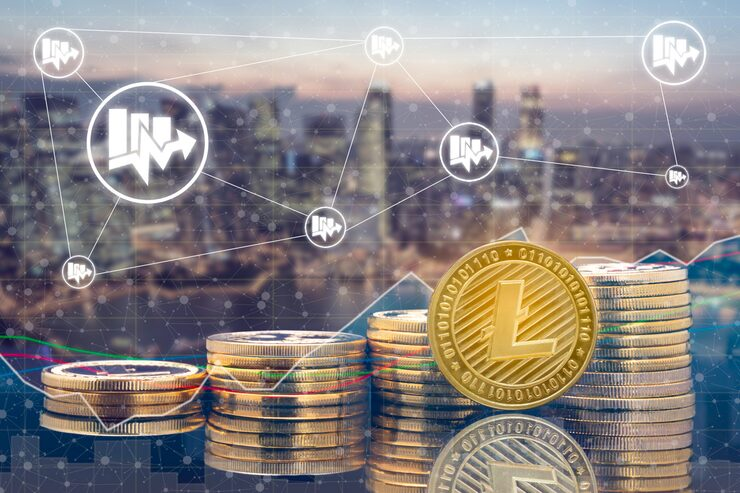
The following are examples and types of promising types of altcoins. Check the recent information before investment.
1. AI Infrastructure Tokens
These tokens drive decentralized artificial intelligence. They enable the sharing of data and training of models in nodes worldwide.
Why watch them:
- The expenditure on AI is growing across the globe.
- Businesses desire safe data markets.
- AI is decentralized, and it lessens the dangers of monopoly.
Risk: Data privacy regulatory control and high volatility.
2. Compliance-First Tokenized Securities
In the previous years decentralized finance was put under crackdown. Projects are now creating compatible DeFi platforms.
These platforms:
- Implement KYC procedures
- Follow EU and US guidelines
- Work with licensed entities
Solution: Concentrate on the projects that are publicly dealing with regulatory requirements.
3. Altcoins: Cross-Border Payments
International payments are time-consuming and expensive, but fast and cheap altcoin transfers are on the rise. In the European Union, banking organizations experimenting with blockchain rails can leverage altcoins for efficient multi-country payments.
4. Privacy-Focused Coins
In Europe, data privacy is still relevant because of tough laws. Nonetheless, the privacy coins are under regulatory pressure. They are occasionally delisted by the exchanges in the US. Invest carefully. Select coins with Freedom and Compliance.
How US Regulations Affect Emerging Altcoins
The American market is big and powerful. The U.S. Securities and Exchange Commission determines the qualification of tokens as securities. A project that is considered a security should be registered or be fined. This creates challenges. It also blocks fragile initiatives.
Solution for investors:
- Determine the legal counsel of a project.
- Search transparency in token allocation.
- Avoid anonymous teams
Regulatory transparency enhances institutional confidence. That is favorable in terms of long-term growth.
How European Regulations Shape the Market
The US has taken a structured approach. The Markets in Crypto-Assets Regulation sets clear standards for:
- Stablecoins
- Exchanges
- Custody providers
- User protection
This framework helps serious projects, including emerging altcoins, expand within EU member states. For investors, emerging altcoins under MiCA regulations are less risky and have higher chances of long-term survival.
Risk Management Strategies for 2026
New altcoins have a great prospect. They also carry high risk. This is a feasible solution-based plan:
1. Diversify Across Sectors
Do not invest in AI or DeFi only. Spread across 3 to 5 sectors.
2. Allocate Small Percentages
Keep the percentage of altcoins in your portfolio. According to many experts, it should be 5 to 20 percent based on the risk tolerance.
3. Study Tokenomics
Check:
- Total supply
- Inflation rate
- Unlock schedules
- Team allocations
Massive unlocks crash prices.
4. Judge Community Strength
Communities that are active are involved. But do not go to hype-only communities. Find updates and roadmaps by developers.
The Role of Institutional Adoption
Large institutions now invest in altcoins. Asset managers look at:
- Security audits
- Regulatory status
- Liquidity
- Governance structure
When a project is joined by reputable financial entities, then it can be an indication of maturity. Never, however, depend on alliances. At all times verify details.
Long-Term Expectations for 2026
The market for emerging altcoins will be more established in 2026 compared to 2021. It remains innovative yet less volatile. European and US laws reduce fraud and enhance transparency. Powerful themes like AI, tokenization, and scalable infrastructure drive growth.

The largest opportunities lie with projects solving real problems, as speculation fades and utility rises, making emerging altcoins a key focus for investors.
Step-by-Step Guide to Monitor an Altcoin Initially
Here is a simple arrangement:
- Determine what problem it addresses.
- Ask questions about the necessity of blockchain.
- Review the team background
- Analyze tokenomics
- Look for partnerships
- Community and development activity of studying.
- Assess competition
When the majority of the responses are strong, the project can be worth considering.
Conclusion
The opportunity and risk exist in emerging altcoins in US and European markets in 2026. The days of mindless thinking are disappearing. The more stable environment is coming about through regulation. Not to avoid altcoins is the solution. The way to go about it is to deal with them carefully.
Investing in 2026 should be compliance-based, utility-focused, and adoption-oriented. Expand your range with emerging altcoins while staying aware of legal changes. The emerging altcoins market is evolving rapidly, offering intelligent growth opportunities rather than costly mistakes for disciplined, research-driven investors.